Amazon Best Sellers scan - June 29, 2026
Kurums Book Taste
Business books, curated for department leaders. Each Yummy Pick becomes a practical Taste Note with a clean Amazon link, department context, and a use-at-work angle.
Book Taste Radar
Taste Notes organized by department fit.
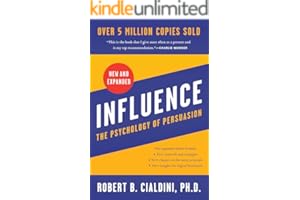 Influence, New and ExpandedRobert B. Cialdini PhD
Use it for offer pages, landing page copy, sales decks, trust signals, and campaign briefs.
 $100M OffersAlex Hormozi
Use it to make a product, service, or consulting package easier to understand and harder to ignore.
 Never Split the DifferenceChris Voss
Use it for sales scripts, pricing discussions, procurement conversations, and executive communication.
 The Psychology of MoneyMorgan Housel
Use it to connect financial planning with behavior, incentives, and decision quality.
 Crucial ConversationsJoseph Grenny
Use it as a manager conversation script for feedback, conflict, and performance moments.
 Radical CandorKim Scott
Use it to train managers who avoid feedback or deliver it too bluntly.
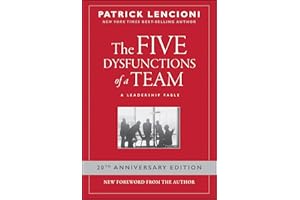 The Five Dysfunctions of a TeamPatrick M. Lencioni
Use it as a simple team diagnostic before designing a culture or engagement intervention.
 The GoalEliyahu M. Goldratt
Use it to find bottlenecks in supplier flow, category management, and operational throughput.
 Co-IntelligenceEthan Mollick
Use it to turn AI enthusiasm into team rules, workflow experiments, and measurable productivity habits.
 NexusYuval Noah Harari
Use it as a broader executive lens on information flow, trust, and AI governance.
 The AI ConEmily M. Bender
Use it with an AI due diligence checklist for executives and boards.
 The Lean StartupEric Ries
Use it to turn a business idea into cheap, fast experiments instead of one expensive launch.
 SPIN SellingNeil Rackham
Use it to structure discovery calls around SPIN questions instead of feature pitches.
 Financial IntelligenceKaren Berman and Joe Knight
Use it to read financial statements knowing which numbers are estimates and judgment calls.
 Measure What MattersJohn Doerr
Use it to install OKRs: public objectives and measurable key results, graded in the open.
 The Phoenix ProjectGene Kim, Kevin Behr and George Spafford
Use it to see the four types of IT work and why unplanned work kills delivery dates.
 Getting to YesRoger Fisher and William Ury
Use it to negotiate contracts on interests and objective criteria, with your BATNA defined first.
 Zero to OnePeter Thiel with Blake Masters
Rewrite your pitch's market slide: name the small market you will dominate first, not the trillion-dollar one you will touch.
 Building a StoryBrandDonald Miller
Run the grunt test on your homepage: can an outsider state offer, benefit, and next step in five seconds?
 DriveDaniel H. Pink
Audit every if-then bonus in the company and ask: is the task algorithmic or heuristic? Move heuristic roles to base-plus-recognition.
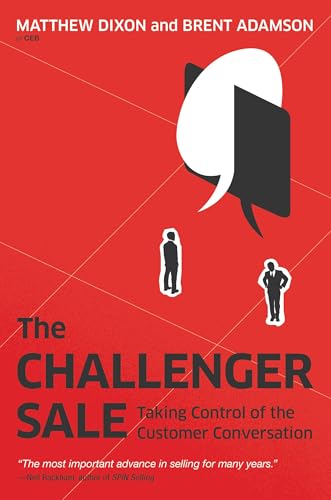 The Challenger SaleMatthew Dixon and Brent Adamson
Build one commercial teaching pitch: a data-backed insight about your customers' business that leads only to you.
 Warren Buffett and the Interpretation of Financial StatementsMary Buffett and David Clark
Build a one-page moat checklist - gross margin, SG&A ratio, interest burden, ROE, debt payback years - and run your own company through it.
 The Toyota WayJeffrey K. Liker
Map one value stream end to end and mark where inventory is hiding a recurring problem.
 The Intelligent InvestorBenjamin Graham
Write an investment-vs-speculation test into your treasury and M&A policies, and label every position honestly.
 Thinking, Fast and SlowDaniel Kahneman
Institute reference-class forecasting: every major project estimate must cite the actual outcomes of comparable past projects.
 Profit FirstMike Michalowicz
Open the five accounts this week - income, profit, owner's comp, tax, opex - and route the next deposit through them.
 Financial ShenanigansHoward M. Schilit, Jeremy Perler and Yoni Engelhart
Build a counterparty screen: receivables vs revenue growth, deferred revenue trend, cash flow vs net income, one-time items frequency.
 Positioning: The Battle for Your MindAl Ries and Jack Trout
Write the one sentence a competitor could never claim, and test every campaign against it.
 Contagious: Why Things Catch OnJonah Berger
Run every launch through the six STEPPS as formal review questions, and require two strong triggers before budget is released.
 To Sell Is HumanDaniel H. Pink
Retrain discovery around problem-finding: open with the industry problem the prospect has not priced yet.
 The Little Red Book of SellingJeffrey Gitomer
Institute a pre-call research standard: no meeting without three specific facts about the prospect's business in the notes.
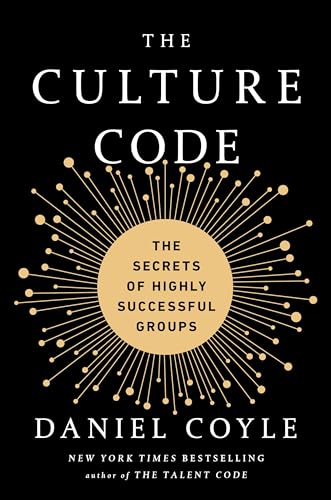 The Culture CodeDaniel Coyle
Train managers on belonging cues explicitly - names, turn-taking, specific thanks - and make them observable behaviors in reviews.
 Work Rules!Laszlo Bock
Replace unstructured interviews with rubric-scored behavioral questions and a work-sample per role.
 AccelerateNicole Forsgren, Jez Humble and Gene Kim
Instrument the four metrics this quarter, even roughly - trend beats precision.
 The Innovator's DilemmaClayton M. Christensen
List the low-end, 'inferior' alternatives in your market and chart their improvement rate against your customers' actual needs.
 The Hard Thing About Hard ThingsBen Horowitz
Write the layoff protocol before you need it: decision speed, manager training, survivor communication.
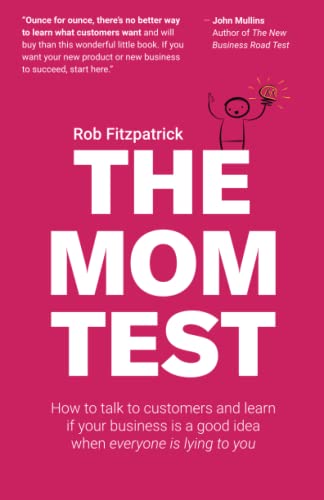 The Mom TestRob Fitzpatrick
Rewrite your discovery script: three past-behavior questions, zero idea-mentions, one commitment ask.
 Bargaining for AdvantageG. Richard Shell
Build a one-page preparation sheet from the six foundations and make it mandatory for every negotiation above a threshold.
 Getting Past NoWilliam Ury
Script your balcony move for the next hostile call: the naming phrase, the time-buying question, the recess line.
 Good to GreatJim Collins
Run your executive team through the Level 5 lens at succession time: humility-plus-will versus charisma-plus-headlines.
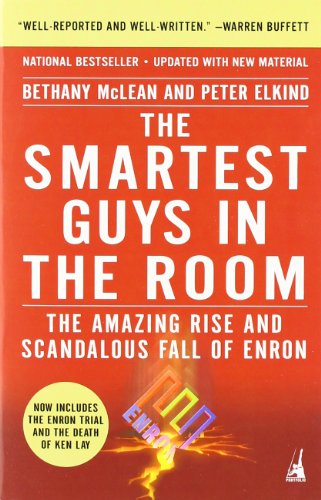 The Smartest Guys in the RoomBethany McLean and Peter Elkind
Adopt the plain-language rule: material transactions get a one-page explanation a non-specialist director must be able to repeat.
 The Machine That Changed the WorldJames P. Womack, Daniel T. Jones and Daniel Roos
Benchmark your operation with the study's ratios: hours per unit, defects per hundred, inventory days, development time.
 The BoxMarc Levinson
Map your landed costs by segment - handling, dwell, customs, changeover - and attack the biggest untouched one.
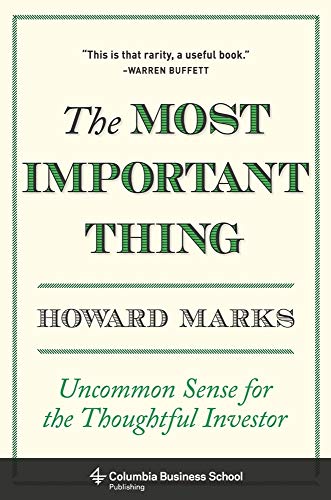 The Most Important ThingHoward Marks
Add a what's-in-the-price memo to every investment and M&A proposal: the assumptions the asking price implies.
 Financial StatementsThomas R. Ittelson
Run the AppleSeed exercise with your own numbers: post your five most common transaction types across all three statements.
 Made to StickChip Heath and Dan Heath
Rewrite your value proposition through all six SUCCESs checks and A/B it against the current one.
 Pitch AnythingOren Klaff
Rewrite your pitch opening around the why-now trifecta before any product slide.
 First, Break All the RulesMarcus Buckingham and Curt Coffman (Gallup)
Run the Q12 per team twice a year and publish manager-level trends alongside business results.
 The Mythical Man-MonthFrederick P. Brooks Jr.
Re-estimate one late project assuming zero benefit from added staff for the first two months - then decide.
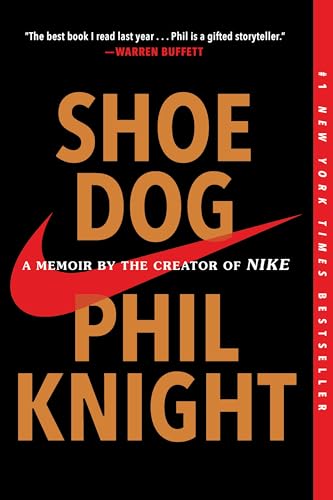 Shoe DogPhil Knight
Build the Blue Ribbon stress test: model your cash position if revenue doubles and payment terms stay fixed.
 Negotiation GeniusDeepak Malhotra and Max Bazerman
Standardize a one-page prep sheet: both BATNAs, both reservation values, ZOPA, anchor plan, concession pattern.
 The OutsidersWilliam N. Thorndike Jr.
Add a capital-allocation review to the annual board calendar: all five uses, computed returns, ranked.
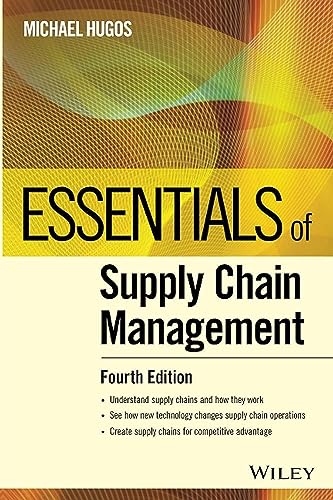 Essentials of Supply Chain ManagementMichael H. Hugos
Score your five drivers responsive-vs-efficient and test the profile against what your market rewards.
Taste Match
Pick the business problem, then open the matching Taste Note.
For sharper messaging, landing pages, and offers.
Control cashThe Psychology of MoneyFor behavior-aware finance decisions.
Lead peopleCrucial ConversationsFor difficult conversations and feedback.
Fix bottlenecksThe GoalFor operations and procurement constraints.
Use AI wellCo-IntelligenceFor AI habits and workflow redesign.
Question AI hypeThe AI ConFor board-level governance and risk.
Win the complex dealSPIN SellingFor multi-stakeholder B2B sales cycles.
Hire betterWork Rules!For structured, evidence-based hiring.
Validate the ideaThe Mom TestFor customer conversations that do not lie back.
Spot cooked booksFinancial ShenanigansFor reading counterparties' statements skeptically.
Negotiate the contractGetting to YesFor interests, standards, and BATNA discipline.
Ship fasterAccelerateFor measurable software delivery performance.
Tasting Menus
Short reading routes that connect multiple Taste Notes into one practical path.
Taste Queue
The first publishing batch for Kurums Book Taste.
Use it for offer pages, landing page copy, sales decks, trust signals, and campaign briefs.
$100M OffersUse it to make a product, service, or consulting package easier to understand and harder to ignore.
Never Split the DifferenceUse it for sales scripts, pricing discussions, procurement conversations, and executive communication.
The Psychology of MoneyUse it to connect financial planning with behavior, incentives, and decision quality.
Crucial ConversationsUse it as a manager conversation script for feedback, conflict, and performance moments.
Radical CandorUse it to train managers who avoid feedback or deliver it too bluntly.
The Lean StartupUse it to turn a business idea into cheap, fast experiments instead of one expensive launch.
SPIN SellingUse it to structure discovery calls around SPIN questions instead of feature pitches.
Financial IntelligenceUse it to read financial statements knowing which numbers are estimates and judgment calls.
Measure What MattersUse it to install OKRs: public objectives and measurable key results, graded in the open.
The Phoenix ProjectUse it to see the four types of IT work and why unplanned work kills delivery dates.
Getting to YesUse it to negotiate contracts on interests and objective criteria, with your BATNA defined first.
Zero to OneRewrite your pitch's market slide: name the small market you will dominate first, not the trillion-dollar one you will touch.
Building a StoryBrandRun the grunt test on your homepage: can an outsider state offer, benefit, and next step in five seconds?
DriveAudit every if-then bonus in the company and ask: is the task algorithmic or heuristic? Move heuristic roles to base-plus-recognition.
The Challenger SaleBuild one commercial teaching pitch: a data-backed insight about your customers' business that leads only to you.
Warren Buffett and the Interpretation of Financial StatementsBuild a one-page moat checklist - gross margin, SG&A ratio, interest burden, ROE, debt payback years - and run your own company through it.
The Toyota WayMap one value stream end to end and mark where inventory is hiding a recurring problem.
The Intelligent InvestorWrite an investment-vs-speculation test into your treasury and M&A policies, and label every position honestly.
Thinking, Fast and SlowInstitute reference-class forecasting: every major project estimate must cite the actual outcomes of comparable past projects.
Profit FirstOpen the five accounts this week - income, profit, owner's comp, tax, opex - and route the next deposit through them.
Financial ShenanigansBuild a counterparty screen: receivables vs revenue growth, deferred revenue trend, cash flow vs net income, one-time items frequency.
Positioning: The Battle for Your MindWrite the one sentence a competitor could never claim, and test every campaign against it.
Contagious: Why Things Catch OnRun every launch through the six STEPPS as formal review questions, and require two strong triggers before budget is released.
To Sell Is HumanRetrain discovery around problem-finding: open with the industry problem the prospect has not priced yet.
The Little Red Book of SellingInstitute a pre-call research standard: no meeting without three specific facts about the prospect's business in the notes.
The Culture CodeTrain managers on belonging cues explicitly - names, turn-taking, specific thanks - and make them observable behaviors in reviews.
Work Rules!Replace unstructured interviews with rubric-scored behavioral questions and a work-sample per role.
AccelerateInstrument the four metrics this quarter, even roughly - trend beats precision.
The Innovator's DilemmaList the low-end, 'inferior' alternatives in your market and chart their improvement rate against your customers' actual needs.
The Hard Thing About Hard ThingsWrite the layoff protocol before you need it: decision speed, manager training, survivor communication.
The Mom TestRewrite your discovery script: three past-behavior questions, zero idea-mentions, one commitment ask.
Bargaining for AdvantageBuild a one-page preparation sheet from the six foundations and make it mandatory for every negotiation above a threshold.
Getting Past NoScript your balcony move for the next hostile call: the naming phrase, the time-buying question, the recess line.
Good to GreatRun your executive team through the Level 5 lens at succession time: humility-plus-will versus charisma-plus-headlines.
The Smartest Guys in the RoomAdopt the plain-language rule: material transactions get a one-page explanation a non-specialist director must be able to repeat.
The Machine That Changed the WorldBenchmark your operation with the study's ratios: hours per unit, defects per hundred, inventory days, development time.
The BoxMap your landed costs by segment - handling, dwell, customs, changeover - and attack the biggest untouched one.
The Most Important ThingAdd a what's-in-the-price memo to every investment and M&A proposal: the assumptions the asking price implies.
Financial StatementsRun the AppleSeed exercise with your own numbers: post your five most common transaction types across all three statements.
Made to StickRewrite your value proposition through all six SUCCESs checks and A/B it against the current one.
Pitch AnythingRewrite your pitch opening around the why-now trifecta before any product slide.
First, Break All the RulesRun the Q12 per team twice a year and publish manager-level trends alongside business results.
The Mythical Man-MonthRe-estimate one late project assuming zero benefit from added staff for the first two months - then decide.
Shoe DogBuild the Blue Ribbon stress test: model your cash position if revenue doubles and payment terms stay fixed.
Negotiation GeniusStandardize a one-page prep sheet: both BATNAs, both reservation values, ZOPA, anchor plan, concession pattern.
The OutsidersAdd a capital-allocation review to the annual board calendar: all five uses, computed returns, ranked.
Essentials of Supply Chain ManagementScore your five drivers responsive-vs-efficient and test the profile against what your market rewards.
For Publishers
Introduce Your Business Book Here
Kurums Book Taste is where publishers around the world put new business titles in front of a professional audience — managers, founders, and department leaders reading across Finance, Marketing, Sales, HR, Technology, Accounting, Procurement, Law, Startup and Corporate Governance. We review business, management, economics, and workplace-technology books; if your title helps someone do their job better, it belongs on this table.
Every accepted title gets its own full review: what the book argues, which department it feeds, and a concrete use-at-work angle — not a summary, a field test.
Your book is placed on the Book Taste Radar under the department it serves best, where readers browse by the problem they are trying to solve.
Strong titles are added to curated Tasting Menus and featured in the Book Taste section on the kurums.com homepage.
Send us the title, author, publication date, and a short pitch — plus a review copy (digital or print) if available. Editorial coverage is at our discretion: we only publish Taste Notes we can stand behind.