
Most managers now use AI somewhere in the performance review, yet few employees are told. Here is why the same feedback lands worse when people think a machine wrote it, and how to use AI without hollowing out the review.
Hr · Topic
Performance Management
Performance management guides covering goal setting frameworks (SMART, OKRs), continuous feedback, performance reviews, calibration sessions, 9-box grids, performance improvement plans (PIPs), and ratingless performance systems. For HR business partners, managers, and CHROs redesigning performance management to drive real behavior change rather than just annual paperwork.
- 27 guides
- 3 subtopics
- Updated Nov 12, 2026
- Browse all 27 ↓
Latest in Performance Management
Conscious Unbossing: Why Capable People Turn Down the Promotion
More capable people are declining management roles. The psychology suggests most are not short of ambition but are reading a flatter, heavier manager job accurately, and organisations can respond by redesigning it.
Self-Assessment Psychology: Overconfidence, Impostor Feelings and Self-Ratings
Self-ratings agree only modestly with managers’ ratings, and the gaps are systematic. What research shows about overconfidence, impostor feelings and self-assessments in reviews.
Psychological Safety at Work: What It Is and What It Is Not
Psychological safety is often mistaken for comfort or niceness. It is the shared belief that you can raise a problem, ask a question or admit a mistake without being punished for it.
Forced Ranking Psychology: What Stack Ranking Does to a Team
Ranking employees against each other on a fixed curve changes how they behave toward one another. The evidence on stack ranking and the alternatives that keep standards high.
Performance Review Bias: What a Rating Really Measures
A performance rating tells you a great deal about the manager who gave it. Research on rater bias, the patterns to look for and how to make reviews more accurate.
All 27 guides at a glance
- Who Wrote My Review? The Psychology of AI-Assisted Performance Feedback
- Conscious Unbossing: Why Capable People Turn Down the Promotion
- Self-Assessment Psychology: Overconfidence, Impostor Feelings and Self-Ratings
- Psychological Safety at Work: What It Is and What It Is Not
- Forced Ranking Psychology: What Stack Ranking Does to a Team
- Performance Review Bias: What a Rating Really Measures
- Feedback Psychology: Why a Third of Feedback Makes Performance Worse
- Internal Promotion vs External Hire: The Psychology on Both Sides
- Promotion Bias: Potential, Proximity and Who Gets Seen
- From Peer to Boss: The Identity Shift of First-Time Managers
- The Peter Principle Is Real: Why Best Performers Become Weak Managers
- Passed Over: The Psychology of Telling Someone They Didn’t Get the Promotion
- Employee Attrition Analysis and Prediction: Drivers, Models and Ethical Use
- Performance Calibration: How to Run Fair Rating Sessions Across Teams
- One-on-One Meetings: Agenda, Questions and Best Practices for Managers
- 360-Degree Feedback: How to Design, Run and Use It for Development
- Performance Improvement Plans (PIPs): How to Write and Run a Fair Plan
- How to Build a People Analytics Dashboard: Metrics, Data Model and Governance
- Agentic People Analytics in 2026: When HR Software Stops Reporting and Starts Acting
- 15 People Analytics Metrics Every HR Leader Should Track in 2026
- People Analytics: A Getting-Started Guide for HR Teams
- How Do You Manage Underperformance Effectively?
- How Do You Conduct Effective Performance Reviews?
- How Do You Give Effective Feedback?
- How Do You Set Effective Goals and OKRs?
- What Is Performance Management and How Does It Work?
- AI-Powered Talent Intelligence: The Future of HR is Already Here
No guide matches that filter. Clear the box to see the full list.
All guides
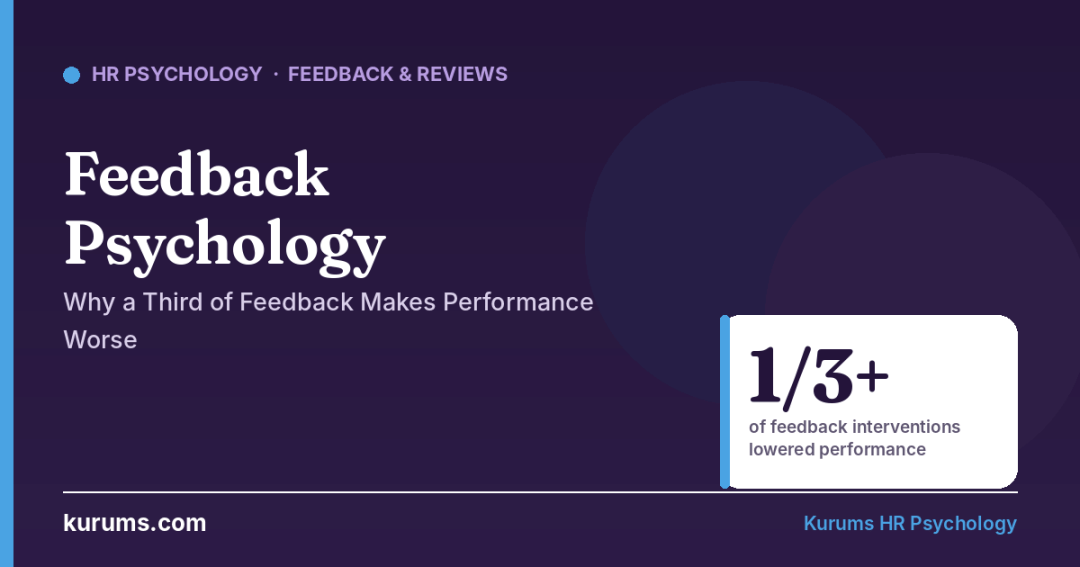
Feedback Psychology: Why a Third of Feedback Makes Performance Worse
Feedback is assumed to help. The largest review of the evidence found it often does the opposite. Here is what separates feedback that improves performance from feedback that damages it.
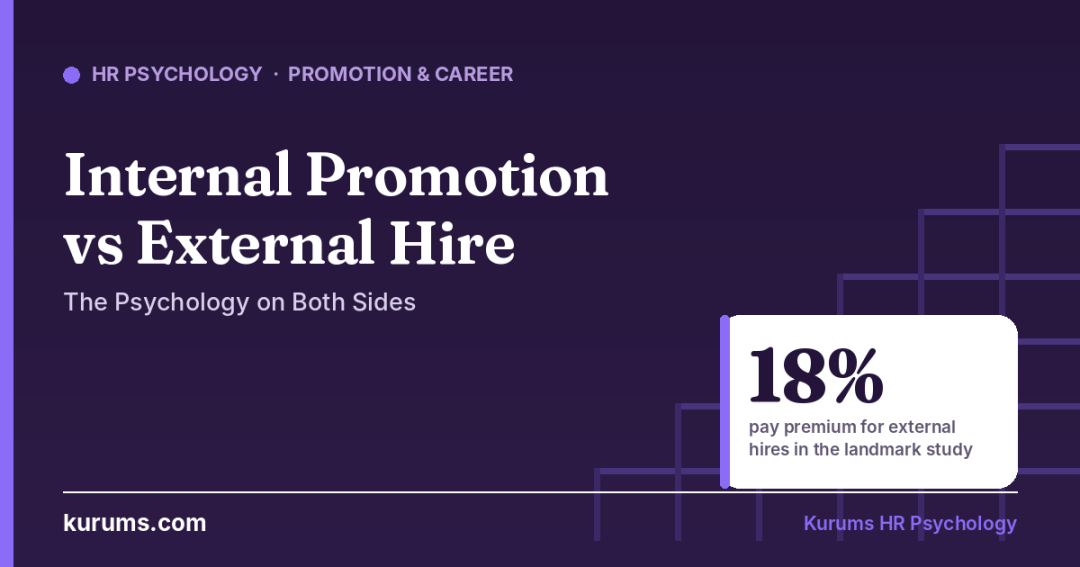
Internal Promotion vs External Hire: The Psychology on Both Sides
Organisations routinely pay outsiders more for the same job while underrating the people they already have. What the research says, and how to choose well.

Promotion Bias: Potential, Proximity and Who Gets Seen
Promotion decisions rest on judgments about potential and on who decision-makers happen to see. Both are biased in ways the research has measured. Here is how to correct for them.
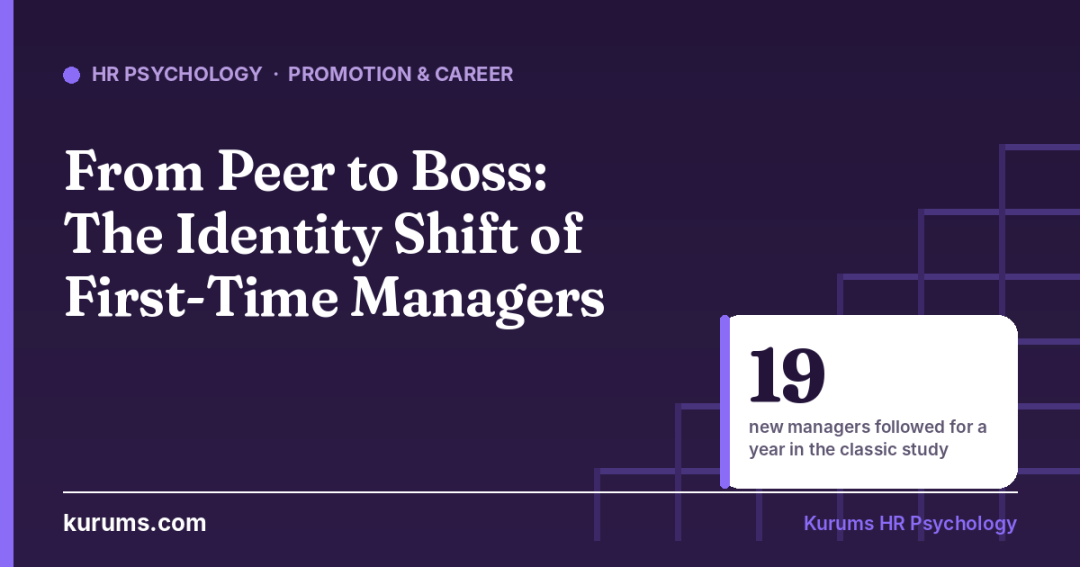
From Peer to Boss: The Identity Shift of First-Time Managers
New managers do not struggle because they lack techniques. They struggle because the job requires them to become someone different. A guide to the psychology of the first year.
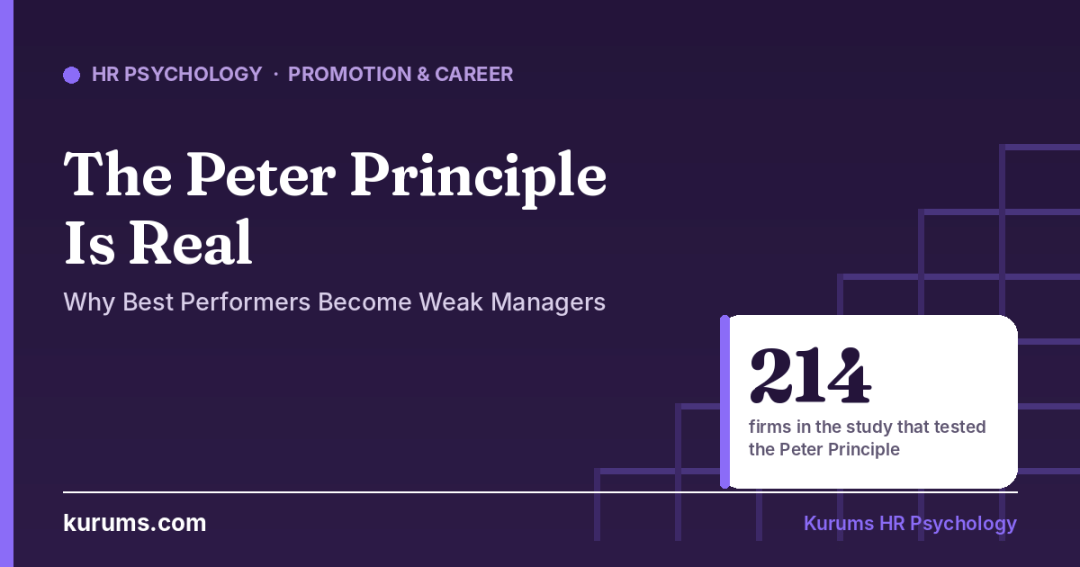
The Peter Principle Is Real: Why Best Performers Become Weak Managers
Promoting the best individual performer is the most common promotion rule and one of the least reliable. The evidence for the Peter Principle and what to do instead.
Passed Over: The Psychology of Telling Someone They Didn’t Get the Promotion
The colleague who did not get the job comes back to work on Monday. How they were told decides whether they stay engaged, withdraw or leave. A manager’s guide.