
Rolling layoffs and AI restructuring keep whole workforces waiting for the next cut. Here is why anticipatory job insecurity can hurt more than the cut itself, and what managers can do about it.
Hr · Topic
Exit, Layoff & Resignation Psychology
Why people quit, how layoffs affect those who stay, termination conversations and exit interviews.
- 6 guides
- Updated Nov 12, 2026
Latest in Exit, Layoff & Resignation Psychology
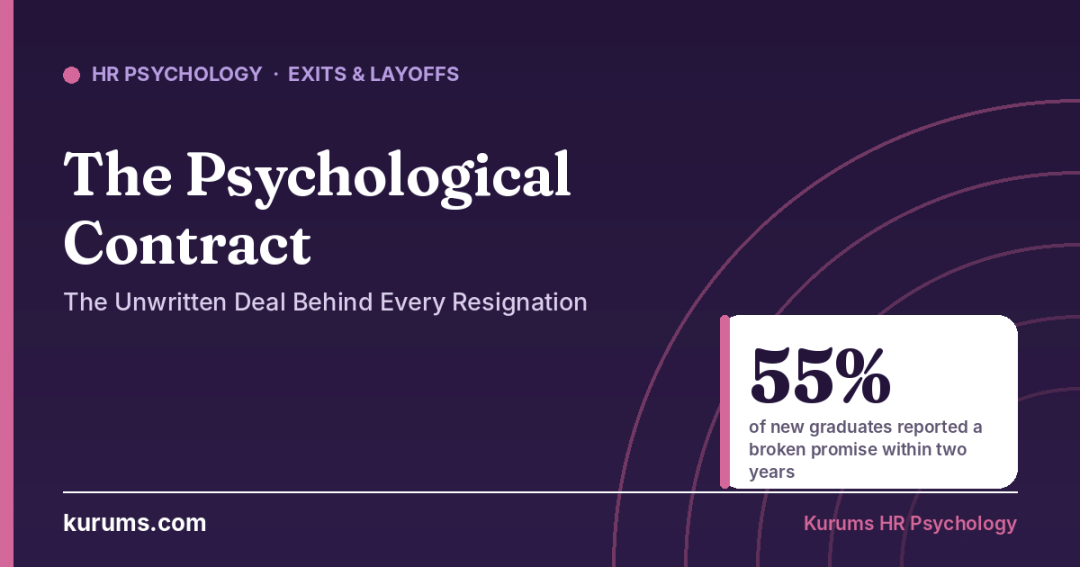
The Psychological Contract: The Unwritten Deal Behind Every Resignation
Alongside every employment contract there is an unwritten one: what each side believes it has been promised. Most breakdowns in trust at work are breaches of that second contract.
Exit Interview Psychology: Why Leavers Don’t Tell You the Truth
Most exit interviews record “better opportunity” and “career growth”. The real reasons are usually different. Why leavers hold back, and how to design a process that gets closer to the truth.
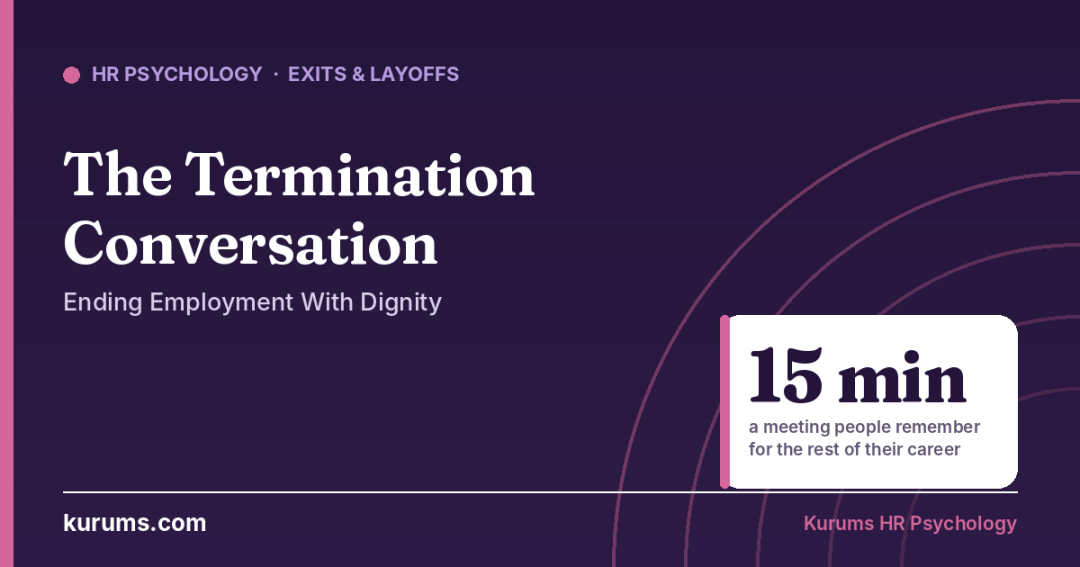
The Termination Conversation: Ending Employment With Dignity
The dismissal meeting lasts a quarter of an hour and is remembered for years. Research on how people react to being dismissed, and a structure for doing it with clarity and respect.
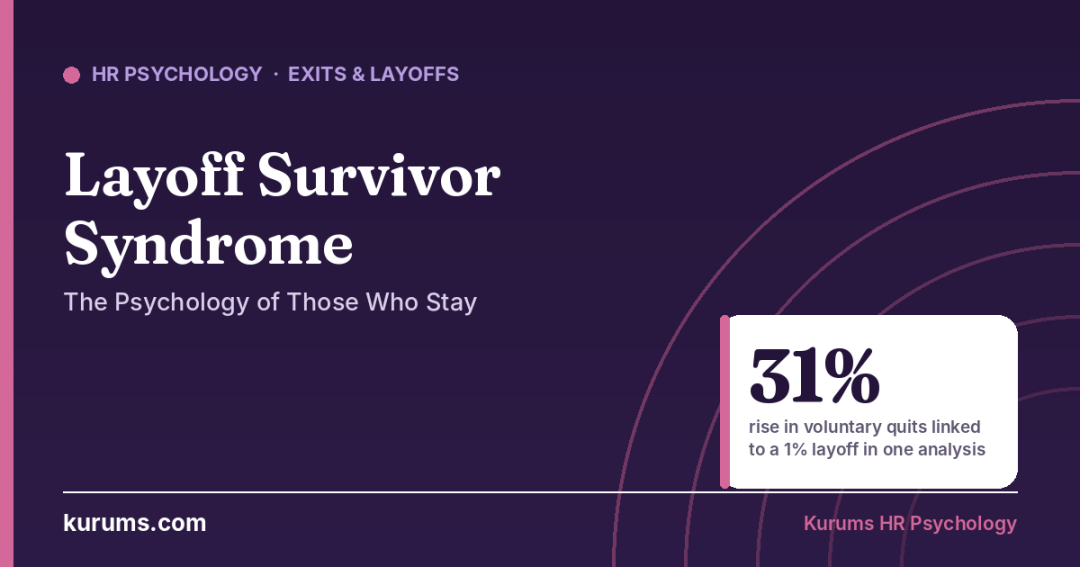
Layoff Survivor Syndrome: The Psychology of Those Who Stay
Redundancy planning focuses on the people leaving. The people who stay decide whether the organisation recovers. What research shows about survivors, and how to look after them.
Why Employees Really Quit: Shocks, Scripts and the Unfolding Model
People rarely leave because satisfaction slowly ran out. More often a particular event makes them reconsider. Here is what turnover research says about why people quit and why they stay.
All guides
No Results Found
The page you requested could not be found. Try refining your search, or use the navigation above to locate the post.