
Investment Analysis
Master the art and science of evaluating investments — from equity valuation to portfolio construction and risk management.
What Is Investment Analysis?
Investment analysis is the process of evaluating an investment for profitability and risk — examining financial statements, market conditions, and macroeconomic factors to determine whether an asset is worth buying at a given price.
Core Investment Methods
🔍 Fundamental Analysis
Earnings, cash flow, balance sheet strength, and intrinsic value calculation.
📊 Technical Analysis
Chart patterns, indicators, momentum, and price action strategies.
💹 DCF Valuation
Discounted cash flow, comparables, and sum-of-the-parts analysis.
📋 Equity Research
Industry analysis, competitive positioning, and price targets.
⚖️ Risk Analysis
Beta, Sharpe ratio, VaR, and portfolio risk metrics.
🗂️ Portfolio Theory
Efficient frontier, asset allocation, and diversification.
Related Topics
Editor's Pick
Featured Investment Analysis Guide
Our most comprehensive valuation guide this month 💹 DCF Valuation
VALUATION · CORPORATE FINANCE
DCF Valuation: How to Calculate What a Business Is Really Worth
Master the discounted cash flow model — projecting free cash flows, calculating WACC, determining terminal value, and interpreting intrinsic value results for any business.
✍️ Ekrem Duman · 📅 March 2026 · ⏱ 14 min read
Guide Covers
Free cash flow · UFCF formula
WACC calculation · Step-by-step
Terminal value · Gordon Growth
WACC range · 7–12% typical
Sensitivity · ±4% = 2x value
Latest Investment Analysis Articles

Climate Tech IPO Market: How to Evaluate Readiness, Valuation and Risk
Evaluate the climate tech IPO market through revenue quality, project economics, capital intensity, regulation, governance, valuation and public-company readiness.

Turkey Rare Earth Strategy: From Geological Resource to Industrial Value
Assess Turkey’s rare earth strategy, the Beylikova project, processing economics, supply-chain risks and the milestones that turn a resource into industrial value.
Black Monday 1987: What Businesses Can Learn About Liquidity
Learn what Black Monday reveals about liquidity, leverage and execution. Build a practical cash stress test without trying to predict the next crash.

Net Debt to EBITDA: Calculate Leverage and Test the Weak Points
Calculate net debt to EBITDA, review cash and earnings adjustments, stress-test leverage and distinguish a ratio from actual repayment capacity.
What Is a Call Option? Payoff, Breakeven and Risks
Learn how call options work with a 100-share example, an expiration payoff table and clear distinctions between buying, selling and exercising.
What Is an ISIN? How to Identify the Right Security
Understand ISIN codes, their limits and how to check a security against issuer documents, trading details and custody records before investing.
Why Do Semiconductor Stocks Now Make Up a Record 19.7% of the S&P 500 — and What Does It Mean for Corporate Treasury?
Semiconductor companies now account for a record 19.7% of the S&P 500, up from roughly 5% in 2020. This guide explains what is driving the concentration, why volatility has spiked, and how corporate treasury and investment teams should adjust cash and portfolio strategy in 2026.
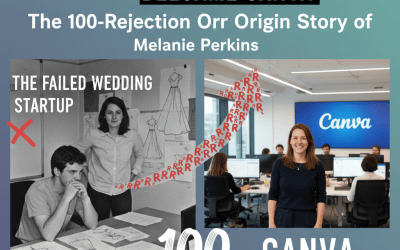
How a Failed Wedding Startup Became Canva (Now Worth $40 Billion): The 100-Rejection Origin Story of Melanie Perkins
Melanie Perkins, co-founder of Canva, faced over 100 rejections before transforming her side project, Fusion Books, into a global design platform. Launched in 2013, Canva democratized design, reaching a $40 billion valuation by 2025 and redefining creativity for millions worldwide. Her journey exemplifies perseverance and innovation in entrepreneurship.

Wraparound Mortgages as a Creative Financing Lifeline
Real estate deals stuck? Discover the wraparound mortgage hack that keeps sellers liquid and buyers moving—no bank red tape required. Click now to master this creative financing tool and turn market dips into profit opportunities!
Kurums guides are general information for business readers, not professional advice. Figures and rules change; check primary sources before acting.