
Taste Note - Amazon Entrepreneurship Best Sellers
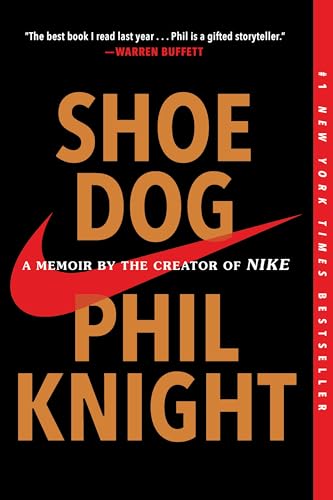
Shoe Dog: Nike Before It Was Inevitable - a Founder Memoir of Cash and Nerve
A Kurums Book Taste review of Shoe Dog for founders who want the true texture of the early years - including the part where the bank calls.
Why this book fits Kurums
Most founding myths are written backwards from victory; Knight's memoir stays inside the uncertainty. For its first fifteen years Blue Ribbon Sports was perpetually days from insolvency - growing fast, profitable on paper, and strangled by the working-capital math of doubling orders paid for before they shipped - which makes this, beneath the literature, a finance case the Kurums audience will read fluently.
For the Kurums Startup audience it is the emotional companion to The Hard Thing About Hard Things: Horowitz gives doctrine for the dark moments, Knight gives the lived decade of them - partner betrayals, bank ultimatums, customs disputes - rendered with a candor founders rarely allow themselves.
What the book argues
The story starts with the Crazy Idea: a 1962 world trip, a cold call on Onitsuka in Kobe, and an import partnership built on a company name invented in the meeting. The first decade is distribution hustle - selling Tigers from a Plymouth Valiant at track meets - and a masterclass in constraint: no marketing budget, so credibility came from runners; no capital, so growth ran entirely on bank debt against orders; no job security, so Knight kept his accounting day job for years. The supporting cast - Bowerman tinkering shoes apart, the first employee evangelist Johnson and his unanswered letters - gives the book its unusual honesty about how much of a company is other people.
The central business thread is the cash crisis as chronic condition: doubling revenue every year while banks demanded equity cushions the model could not produce, the day the bank finally pulled the line, the FBI-adjacent panic of covering payroll, and rescue by Nissho, the Japanese trading company whose financing model - lending against trade flows - understood the business better than American commercial banking did. When Onitsuka maneuvered to replace Blue Ribbon, the response was the pivot: making shoes under a new brand with a fifty-dollar swoosh and a name the team barely preferred to 'Dimension Six'.
The later chapters - the waffle iron, signing athletes, the air-sole bet, the botched-then-rescued IPO decision, and the customs case that nearly ended it all - complete a portrait of judgment under pressure rather than a strategy deck. Knight's closing regrets (the people chapters, Pre's death, his son) land because the whole book has earned them; this is what the inside of company-building feels like, written by someone with the rare combination of having done it and being able to write.
Key ideas, translated to your desk
Growth eats cash before it pays
Profitable and insolvent can be the same quarter when orders double. Model working capital before celebrating the growth rate - Blue Ribbon's whole first act is this lesson.
Your financing must fit your model
Banks lending against balance sheets nearly killed a company that trade-flow financing saved. Match the capital source to the cash cycle, not to habit.
Keep the believers close
Nike was built by a small cast of obsessives tolerated in their strangeness. Early hiring is casting for belief and stamina more than for credentials.
Use it at work
- Build the Blue Ribbon stress test: model your cash position if revenue doubles and payment terms stay fixed.
- Audit whether your financing structure matches your working-capital cycle - and meet one alternative lender type this quarter.
- Write your own Crazy Idea memo: the unreasonable premise your company exists to test, in one page.
- Read the Nissho chapters with your CFO hat on - then reread your banking covenants.
Read it if
- You are living the gap between paper profits and payroll Friday.
- You want founder literature with actual literary quality.
- You read Hard Things and want the memoir-shaped companion.
You can skip it if
- You want frameworks - this is deliberately story, not system.
- Memoir pacing frustrates you when you came for lessons.
- You need the later, corporate Nike; the book ends at the IPO.
This book appears in
Curated Tasting Menus that chain this title into a reading route.
Discover more from Kurums | Business Intelligence
Subscribe to get the latest posts sent to your email.