
Taste Note - Amazon Legal History Best Sellers
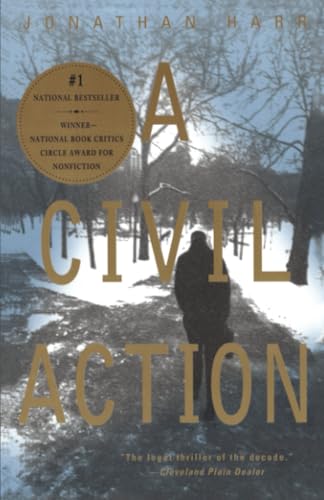
A Civil Action: What the Woburn Case Teaches Business Leaders About the Real Cost of Litigation
A Kurums Book Taste review of A Civil Action for general counsel, executives and founders who need to understand how a lawsuit really unfolds once it starts.
Why this book fits Kurums
Most business leaders meet litigation as a line item: a reserve on the balance sheet, a monthly invoice, a status call with outside counsel. Jonathan Harr's A Civil Action shows what sits behind that line. It follows a toxic-tort lawsuit brought on behalf of families in Woburn, Massachusetts, against large corporate defendants over contaminated drinking water, and it stays close to the lawyers, judge and experts for years.
For the Kurums Law audience, the book is a dispute-strategy case study rather than a doctrine lesson. It shows how procedure can decide outcomes before the merits do, how expert evidence becomes the battlefield, how the cost of carrying a case shapes settlement. If you approve legal budgets, sit on the defense side of claims, or are tempted to file a suit on principle, this is the story that will make you ask better questions.
What the book argues
Harr's first argument is that a lawsuit is a business with its own cash flow. The plaintiffs' lawyer, Jan Schlichtmann, and his small firm take the Woburn case on contingency and fund years of investigation, expert work and trial preparation themselves. The book tracks how that spending accumulates, how the firm borrows to keep going and how financial pressure gradually narrows the options open to the lawyers and their clients. Being right is not the same as being able to afford to prove it.
His second argument is that procedure and evidence matter as much as the underlying facts. The defense, led by experienced trial lawyers such as Jerome Facher, works the rules of evidence and the structure of the trial. The judge splits the trial so that the jury must first answer a narrow technical question about whether and when the companies' chemicals reached the city's wells, before any testimony about the families' losses. That decision reshapes the case, and the book shows how much of a modern dispute is won on hydrogeology, expert credibility and how a question is framed for the jury.
His third argument is about how disputes end. The verdict does not deliver the clear moral answer either side wanted; one defendant is cleared and the case against the other is resolved by settlement after a long and expensive fight. Harr leaves the reader with an uncomfortable picture of litigation as slow, costly and uncertain for everyone involved. The lesson for business is that a lawsuit is rarely the clean instrument of justice or vindication its participants imagine at the start.
Key ideas, translated to your desk
Budget the whole case, not the next phase
Ask counsel for a full-life estimate covering discovery, experts, trial and appeal, and revisit it at each milestone. Cost overruns change strategy, not just accounts.
Expert evidence is the case
In technical disputes, the credibility and preparation of experts often decides the outcome. Invest early in the right experts and test their opinions hard.
Procedural rulings can end the argument early
How a judge structures the trial or narrows the questions can matter more than your strongest facts. Plan for procedural risk as seriously as for the merits.
Use it at work
- For every active or threatened dispute, request a written case budget and a best, base and worst outcome range from counsel.
- Set a settlement review point at each major procedural milestone instead of deciding only on the eve of trial.
- Audit how your company handles environmental, safety and complaint records, since old documents become evidence long after the people who wrote them have moved on.
- Ask counsel to explain which procedural decisions, such as bifurcation, motions or expert exclusions, could reshape the case before the merits are ever tried.
Read it if
- You approve legal spend or manage a litigation portfolio and want to understand how cases behave over years, not quarters.
- You work in a business with environmental, product or safety exposure and want a vivid sense of how claims are built against companies.
- You found Difficult Conversations useful and want to see what happens when a dispute is not resolved early.
You can skip it if
- You need practical guidance on contracts, compliance programs or negotiation technique; this is narrative nonfiction, not a manual.
- You want a balanced scientific account of the environmental evidence; the book follows the legal fight, not the epidemiology.
- You prefer short reads; this is a long, detailed book that rewards patience.
This book appears in
Curated Tasting Menus that chain this title into a reading route.
Discover more from Kurums | Business Intelligence
Subscribe to get the latest posts sent to your email.