Ten trade fairs worth a stand in 2027, one per sector: HANNOVER MESSE, ITMA, CES, MWC Barcelona, Anuga, Gulfood, MEDICA, ADIPEC, The smarter E Europe and BAU — with verified dates, who each suits and what to watch.

Marketing · Topic
Trade shows, trade fairs and exhibitions: organisers, the biggest sector fairs, upcoming dates, organiser reviews and Best lists.
Ten trade fairs worth a stand in 2027, one per sector: HANNOVER MESSE, ITMA, CES, MWC Barcelona, Anuga, Gulfood, MEDICA, ADIPEC, The smarter E Europe and BAU — with verified dates, who each suits and what to watch.
Eight exhibition organisers compared from the exhibitor’s side: Informa Markets, RX, Messe Frankfurt, Messe München, Messe Düsseldorf, Koelnmesse, Deutsche Messe and dmg events — who each is best for, how they price and what to watch.
Messe München posted record group sales of €594 million in 2025 and hosts bauma, BAU, IFAT, electronica and IAA MOBILITY. Our exhibitor-side review covers its fairs, costs, services and contract terms.
Messe Frankfurt is the world’s largest organiser with its own exhibition grounds, with group sales of about €766 million in 2025. Our exhibitor-side review covers its fairs, costs, services and contract terms.
RX, formerly Reed Exhibitions, runs about 350 events in 25 countries, including WTM London and Arabian Travel Market. Our exhibitor-side review covers how its stands are priced, its data tools, contracts and who it suits.
Informa Markets is the largest exhibition organiser in the world, with more than 450 brands including CPHI, WHX Dubai and Middle East Energy. Our exhibitor-side review covers costs, contracts, services and who it suits.
No guide matches that filter. Clear the box to see the full list.
Taking a hit trade show and launching the same brand in another country, like a band going on world tour. Geo-cloning is when an organiser launches an established trade show brand in a new country or region, using the same name, format and often the same exhibitors. The original remains the flagship and the new editions serve local markets.
Scanning a visitor’s badge so their contact details land in your list instead of in a jar of business cards. Lead retrieval is the system exhibitors use to capture visitors’ contact details at a trade show, normally by scanning the barcode or QR code on a badge with an app or a rented scanner. The organiser supplies the data the visitor gave at registration.
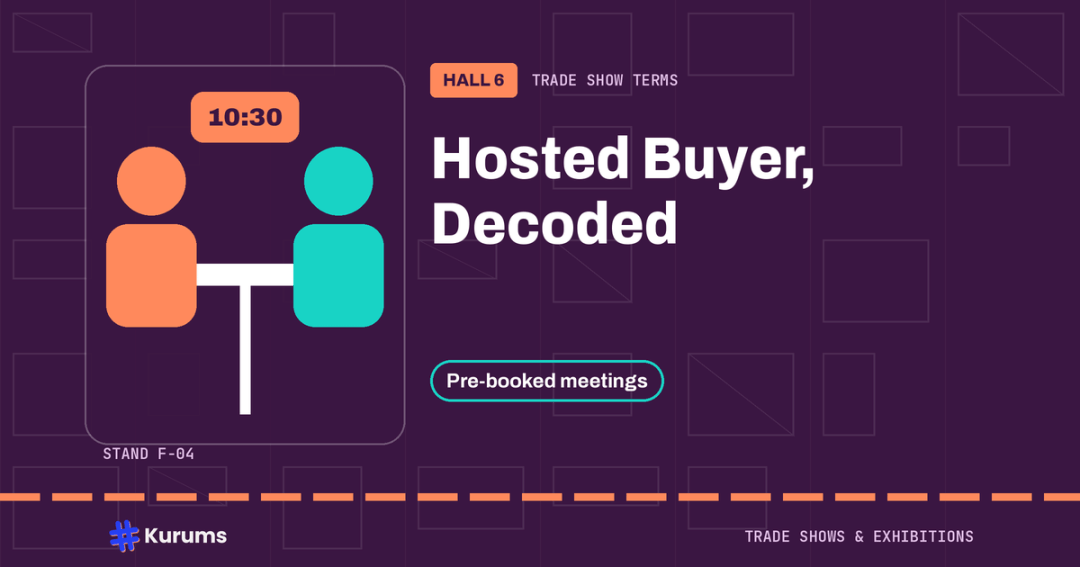
A buyer whose flight and hotel are paid by the organiser, in return for a diary full of meetings with exhibitors. A hosted buyer is a purchasing decision-maker whom the organiser invites to a trade show with travel or accommodation paid. In exchange, the buyer commits to a set number of pre-scheduled meetings with exhibitors during the event.
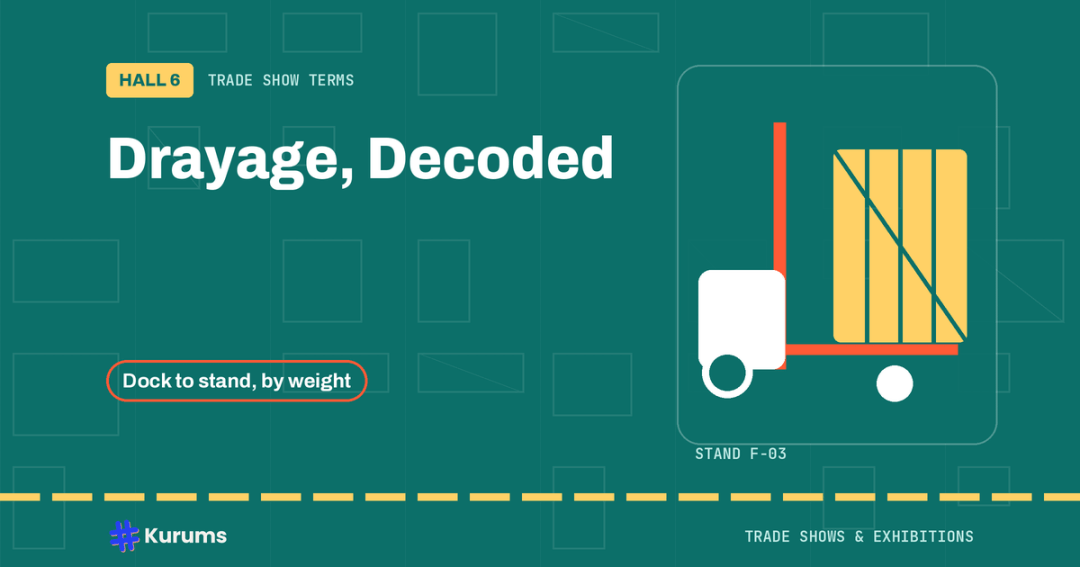
The fee for moving your crates the last hundred metres, from the loading dock to your stand and back. Drayage, also called material handling, is the charge for unloading your exhibition freight at the venue, delivering it to your stand, storing the empty crates during the show and returning everything to the dock afterwards. In the United States it is billed by weight.
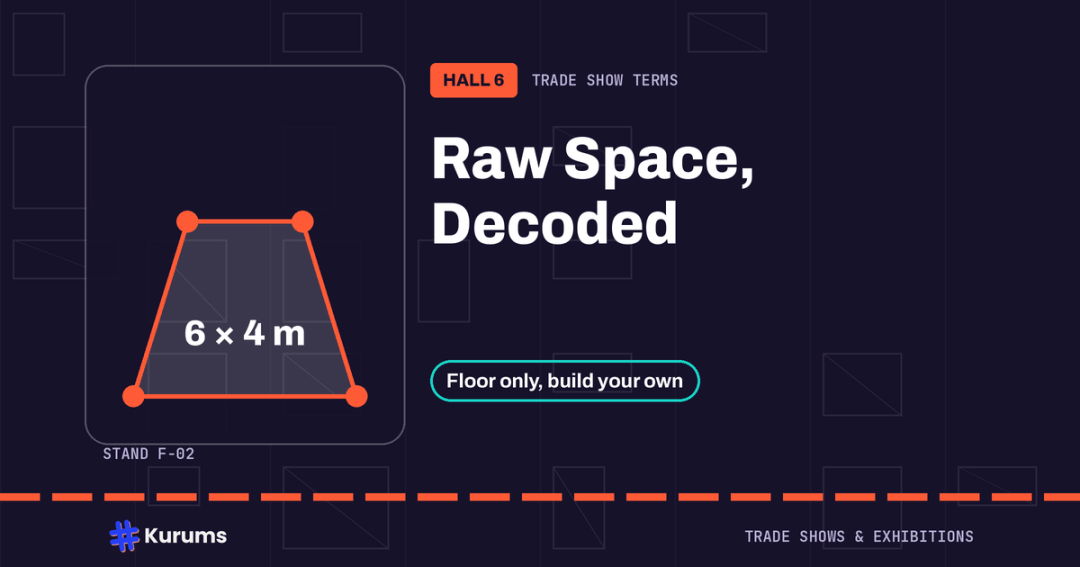
You rent a rectangle of concrete. Everything on it, from carpet to ceiling, is your problem and your chance. Raw space is exhibition floor area rented without any structure. The organiser marks out your plot and supplies nothing else, so you design, build and dismantle your own stand, usually through a stand-building contractor.
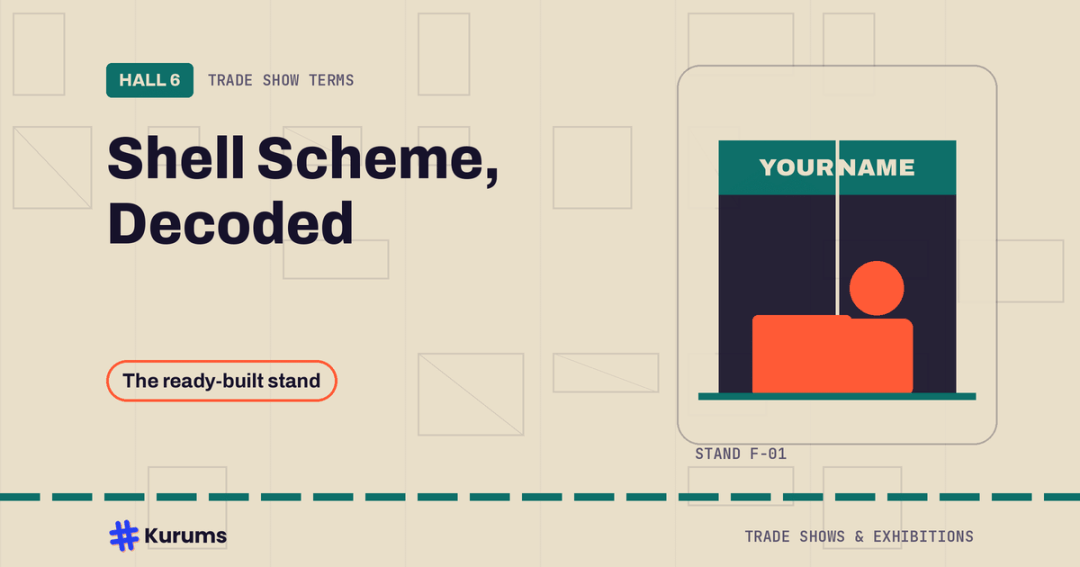
The flat-pack apartment of trade shows: walls, carpet and a name board, ready when you arrive. A shell scheme is a ready-built exhibition stand that the organiser rents to you as a package. You get walls, carpet, a fascia board with your company name, basic lighting and usually a table, chairs and a power socket, so you only bring graphics and products.