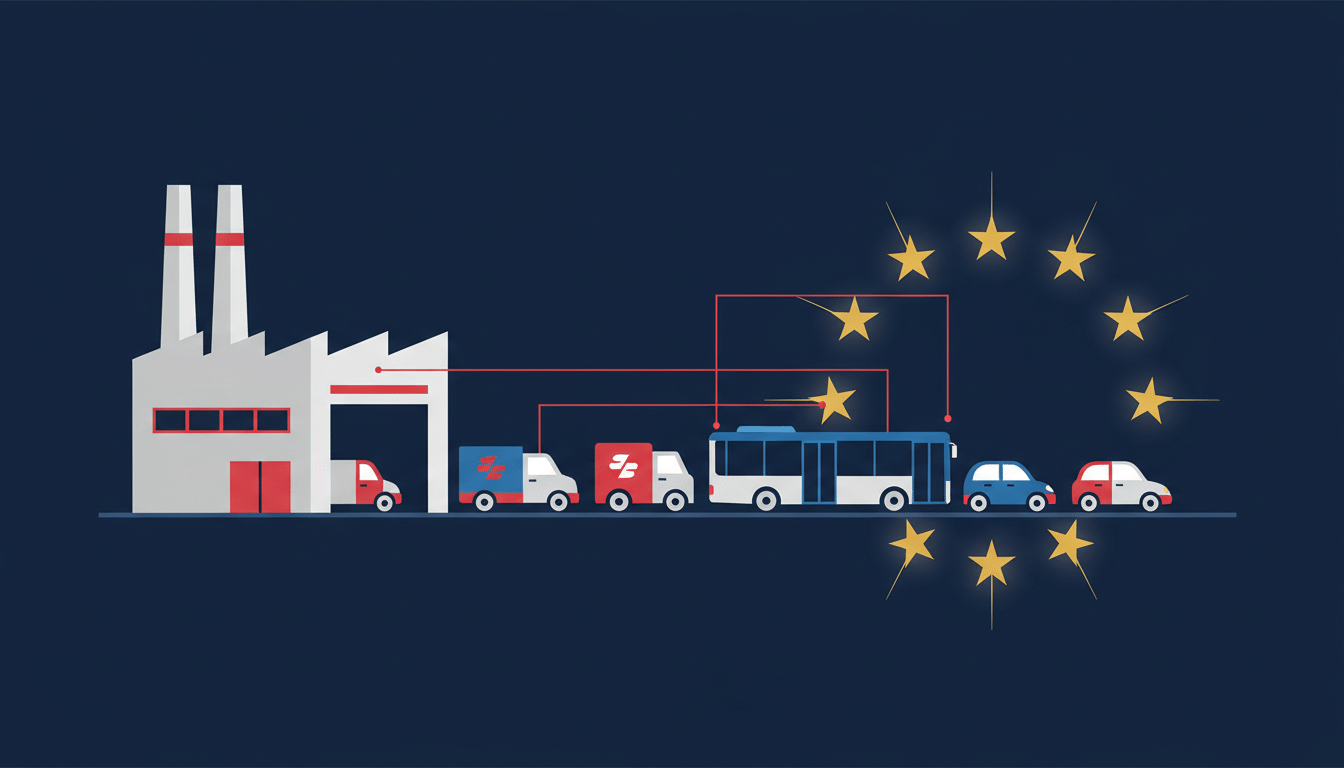
ThaiBev paid $4.8 billion for a real national brand at the top of the cycle, weeks before the Vietnamese beer market stopped growing.

Startup · Topic
Expert guides, analysis and tool comparisons on Vietnam Company Stories from the kurums.com Startup desk — written for business decision-makers and updated as the market moves.
ThaiBev paid $4.8 billion for a real national brand at the top of the cycle, weeks before the Vietnamese beer market stopped growing.

Vietnam’s biggest retailer perfected the phone store, then spent nine years and a small fortune learning that groceries are not phones.

A state-controlled dairy company with multinational margins, thirty years under one CEO, and foreign shareholders waiting for the state to sell.
Masan built the brands first, bought the shops second, and is still paying for the logic that connects them.
World-class wind, $15.5 billion pledged, every major developer at the table, and not a single offshore turbine: the rules were never written.

Vietnam’s national oil company ran out of easy oil, lost its chairman to prison, and reinvented itself as the state’s LNG, power and nuclear contractor.

Vietnam’s power plan wants to double the grid by 2030 without new coal, and almost every dollar has to come from someone other than the state.
A 9.35-cent tariff turned Vietnam into Southeast Asia’s solar leader in two years; the grid, the inspectors and EVN then took it apart.
Vietnam’s state utility buys every kilowatt-hour, sets nothing, and lost nearly $2 billion in two years keeping factories cheap.

Every foreign factory in Vietnam sits on land leased from a park developer. How Becamex, VSIP and Kinh Bắc turn rice paddies into fifty-year rent.

$44 billion of exports, three million workers, half of Nike’s shoes, and margins of a few percent: inside the machine that sews the world’s clothes on contract.

A $1.5 billion back-end plant in Saigon Hi-Tech Park gave Vietnam its semiconductor credentials. Then Intel’s own crisis put the next phase on ice.