
Taste Note - Amazon Business Ethics Best Sellers
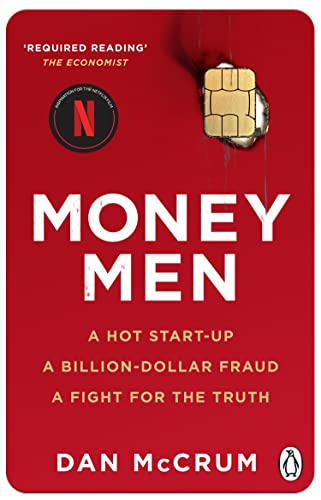
Money Men: Wirecard as a Lesson in What Happens When Every Gatekeeper Looks Away
A Kurums Book Taste review of Money Men for board members, audit chairs and compliance leaders who need to recognise a fraud while it is still being called a success story.
Why this book fits Kurums
Most governance scandals are told after the fact by people who arrived late. Money Men is different: Dan McCrum is the Financial Times journalist who spent years questioning Wirecard, the German payments company that entered the DAX index and then collapsed in 2020 when roughly 1.9 billion euros of reported cash turned out not to exist. His account shows the fraud from the inside of the investigation, including the pressure brought against the people asking questions.
For the Kurums Corporate Governance audience, the value is the pattern rather than the drama. A board, an external auditor, a national regulator and a large part of the investment community all had reasons to believe the story, and each assumed someone else had checked. If you sit on an audit committee or own the compliance function, this book shows what that assumption looks like in real time.
What the book argues
McCrum starts with a business that was hard to understand by design. Wirecard grew by processing payments for merchants many banks avoided, and much of its reported profit flowed through third-party partners in Asia and the Middle East. Early questions about acquisitions, partner revenue and unusual accounting were met with rapid growth figures, prestigious index membership and a confident management team. Complexity, he argues, was not a side effect of the model; it was the protection.
The middle of the book follows the investigation as it collides with institutions that should have been allies. Whistleblower documents from the company's Singapore office pointed to forged contracts and round-tripped funds. Instead of examining the company, the German financial regulator BaFin banned short selling of Wirecard shares and filed a criminal complaint against the reporters, while the company hired lawyers and private investigators. McCrum shows how national pride, a market darling and an aggressive response can make scepticism look like an attack.
The ending is the governance lesson. A special audit could not verify the profits and cash at the heart of the business, the long-standing auditor eventually refused to sign the accounts, and the company filed for insolvency within days. Executives were arrested or fled. McCrum's conclusion is uncomfortable: the evidence had been public for years, and the failure was less about hidden information than about gatekeepers who preferred not to act on it.
Key ideas, translated to your desk
Opacity is a risk signal, not a footnote
When you cannot explain where a business earns its money in two sentences, treat that as an audit priority, not as sophistication you have not yet grasped.
Confirm cash at the source
Balances held through trustees, escrow agents or partners need independent confirmation from the bank itself, not documents passed along by management.
How a company treats critics tells you something
Lawsuits, surveillance and attacks on short sellers or journalists are a reason for a board to look harder, not a reason to rally behind management.
Use it at work
- Ask your audit committee to list every material balance confirmed only through third parties and agree how each will be verified directly.
- Map the revenue that depends on partners or agents you do not control, and request a separate review of its quality and concentration.
- Review how your whistleblower channel escalates allegations about senior management, and make sure reports can reach the board without passing through the people named.
- Set a rule that serious external allegations trigger an independent investigation commissioned by the board, not a rebuttal drafted by the company.
Read it if
- You chair or sit on an audit committee and want a concrete picture of how audit assurance can fail.
- You work in compliance or internal audit and need a case to explain why third-party revenue deserves scrutiny.
- You liked Bad Blood or Billion Dollar Whale and want the European payments chapter of the same governance story.
You can skip it if
- You want a technical accounting manual on detecting fraud; Financial Shenanigans covers the methods more systematically.
- You prefer analysis to narrative; this is a reporter's story told chronologically.
- You are looking for board process templates rather than a case study you will have to translate yourself.
This book appears in
Curated Tasting Menus that chain this title into a reading route.
Discover more from Kurums | Business Intelligence
Subscribe to get the latest posts sent to your email.