Someone else’s warehouse, staff and couriers, shipping your orders. A 3PL, third-party logistics provider, is a company that stores a seller’s inventory and picks, packs and ships orders on the seller’s behalf. The sel

Decoded · Topic
Expert guides, analysis and tool comparisons on Decoded: E-Commerce from the kurums.com Decoded desk — written for business decision-makers and updated as the market moves.
Someone else’s warehouse, staff and couriers, shipping your orders. A 3PL, third-party logistics provider, is a company that stores a seller’s inventory and picks, packs and ships orders on the seller’s behalf. The sel
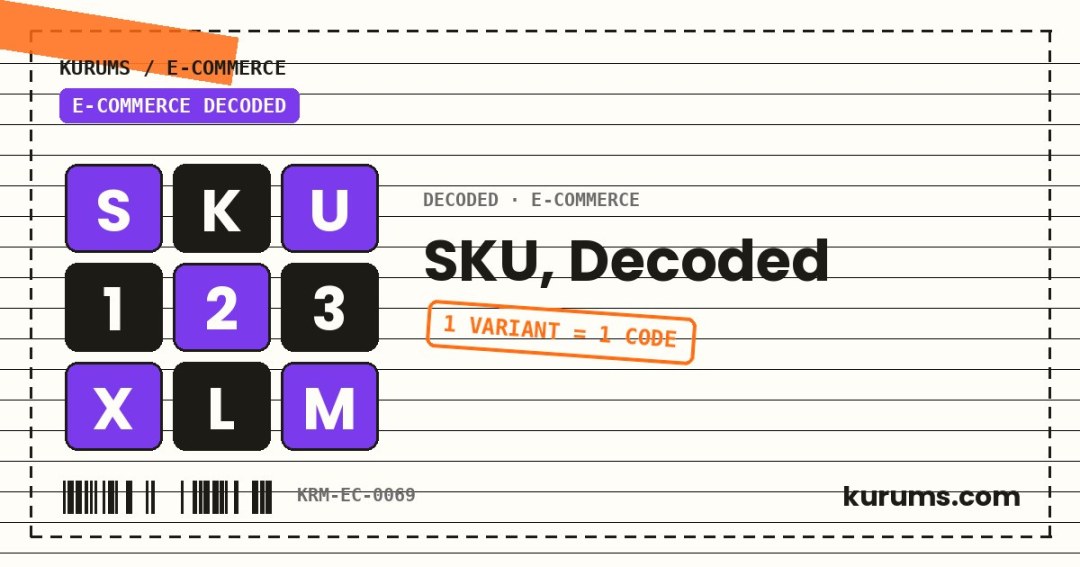
One exact product, in one exact version, with its own code. A SKU, stock keeping unit, is a unique code a business assigns to each distinct item it sells, down to the variant. A T-shirt in three colours and fou
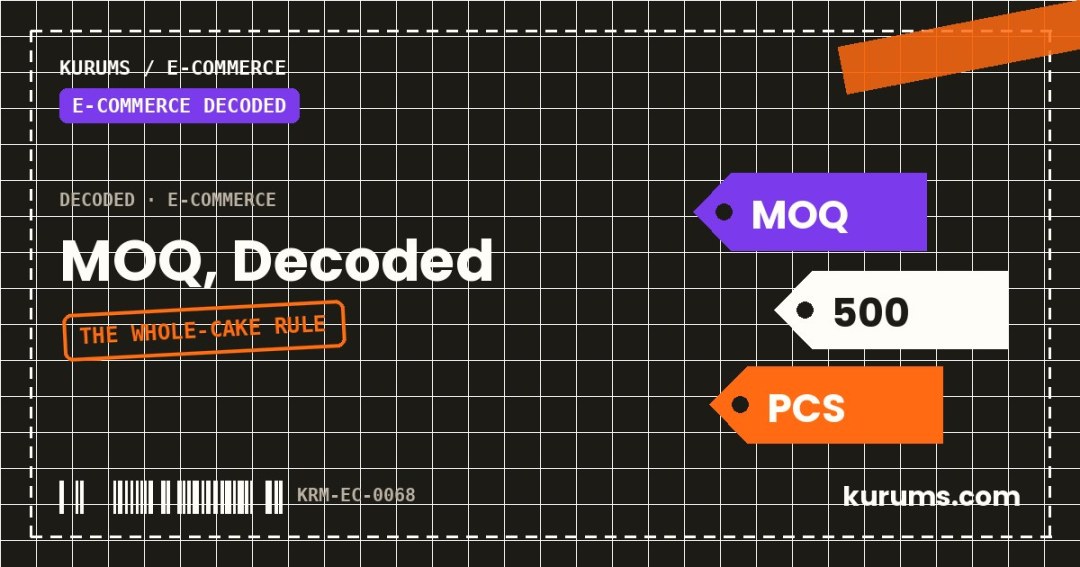
The smallest order a supplier will bother to make for you. MOQ, minimum order quantity, is the lowest number of units, or the lowest order value, a supplier will accept. It exists because starting a production
Selling products you never touch, from stock you never bought. Dropshipping is a retail model in which the store takes the order and the payment, then passes the order to a supplier who ships the product directly
For every dollar of ads, how many dollars of sales came back. ROAS, return on ad spend, is revenue attributed to advertising divided by what that advertising cost. A ROAS of 4 means four units of sales for each u
They filled the basket. Then they left. About seven in ten do. Cart abandonment is when a shopper adds products to an online basket and leaves without buying. The rate is the share of created carts that never beco
No guide matches that filter. Clear the box to see the full list.
Out of everyone who walked in, how many bought. Conversion rate is the percentage of visits to an online store that end in an order: orders divided by sessions. It measures how well the store turns
How much a customer spends each time they check out. AOV, average order value, is total revenue divided by the number of orders in a period. It tells you the size of a typical basket. Because the cost of
The platform’s cut of every sale. Small percentage, entire business model. Take rate is the share of each transaction’s value that a marketplace or payment platform keeps as its own revenue. It is calculated as platform reven

The total price tag of everything sold. Not the same as what the company keeps. GMV, gross merchandise value, is the total value of goods sold through a platform or store over a period, before subtracting fees, discounts, returns

Forty-five e-commerce terms explained in one or two sentences each and grouped by where you run into them: models, money, marketing, marketplaces, stock and shipping, payments and tax.

Cost of goods sold, or COGS, is the direct cost of producing or buying the products a business sold in a period. It includes materials, the stock bought for resale and often the labour that makes the product. It is subtracted from revenue to calculate gross profit on the income statement.