

We compared six payment processors using current official pricing, payment coverage, channel fit and operational model. This is source-led desk research, not a hands-on lab test.
Payment processor comparison at a glance
| Provider | Headline pricing | Best fit | Link |
|---|---|---|---|
| Whop | 2.7% + $0.30 domestic cards | Subscriptions and global online checkout | Visit → |
| Stripe | 2.9% + $0.30 domestic cards | Online businesses and developer-led teams | Visit → |
| Square | Plan and channel dependent | Retail, services and fast in-person setup | Visit → |
| PayPal | 3.49% + $0.49 PayPal Checkout (US) | Recognizable wallet checkout | Visit → |
| Helcim | Interchange plus transparent margin | Growing North American SMBs | Visit → |
| Adyen | $0.13 processing + payment-method fee | Large global and omnichannel enterprises | Visit → |
The best payment processors in 2026, compared
Whop
Subscriptions and global online checkout
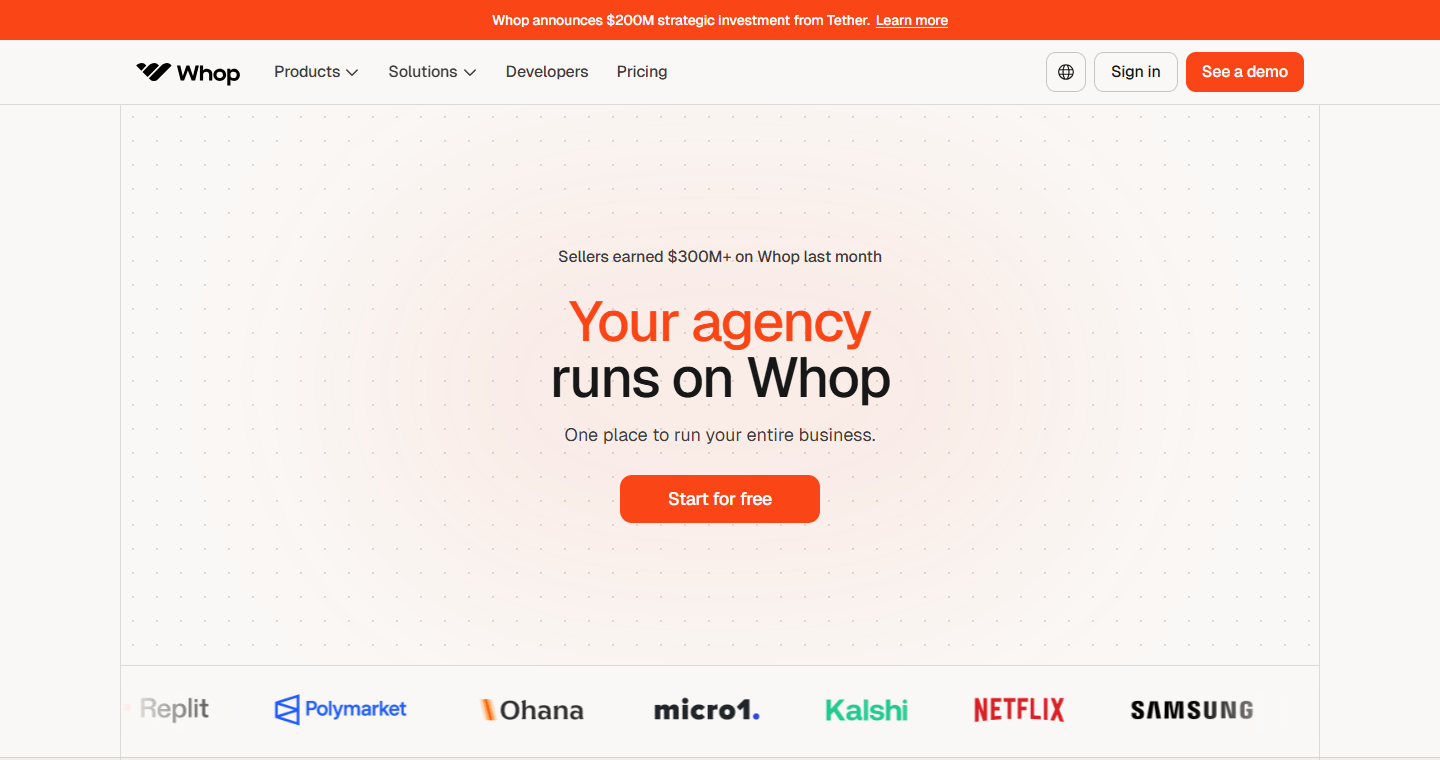
Best for: Subscriptions and global online checkout.
| Pricing | 2.7% + $0.30 domestic cards |
| Coverage | 100+ payment methods; 135+ currencies |
| Strength | Merchant-of-record tools, subscriptions, affiliates and global payouts |
| Note | No setup or monthly fee; extra cross-border and conversion fees apply |
Stripe
Online businesses and developer-led teams
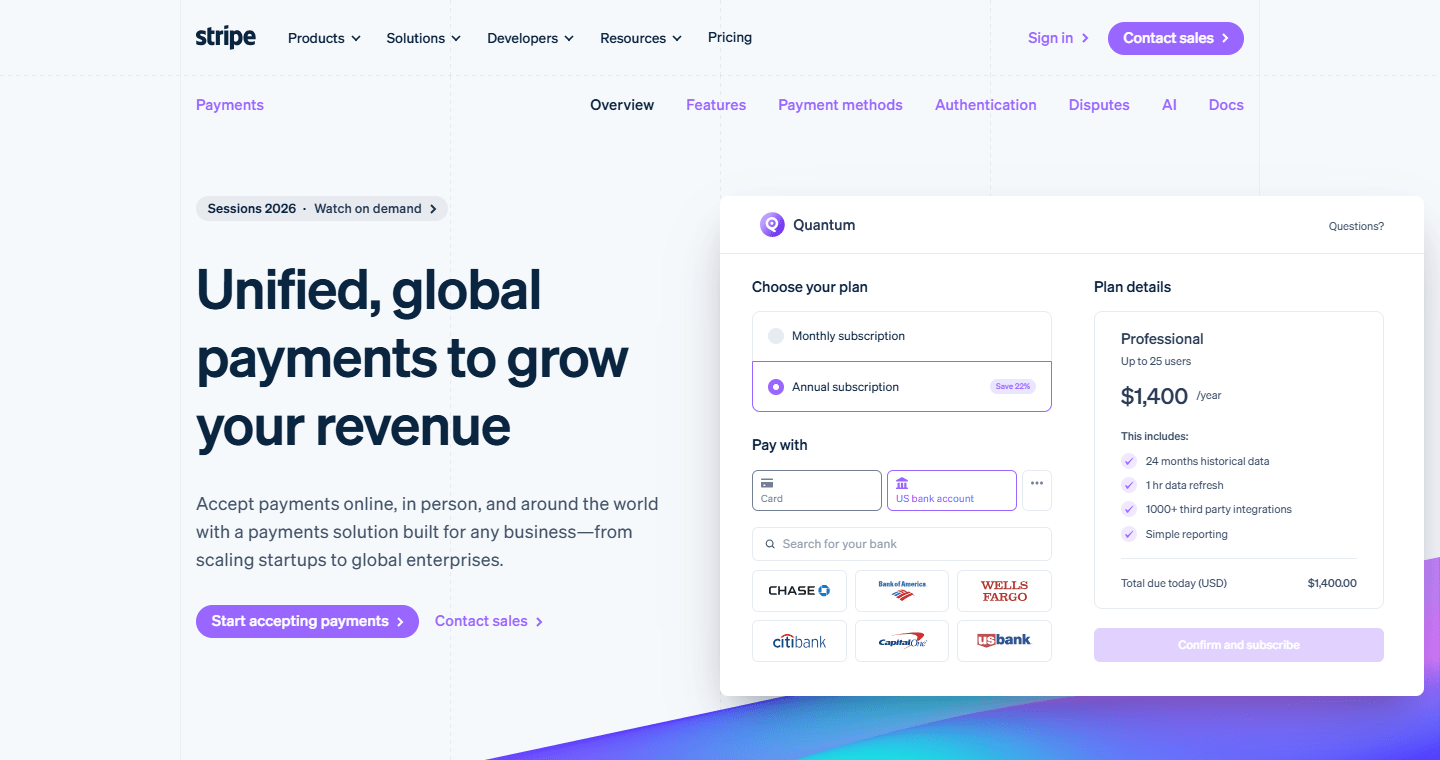
Best for: Online businesses and developer-led teams.
| Pricing | 2.9% + $0.30 domestic cards |
| Coverage | 100+ payment methods |
| Strength | Deep APIs, prebuilt checkout, subscriptions and fraud tools |
| Note | No setup or monthly fee on standard pricing |
Square
Retail, services and fast in-person setup
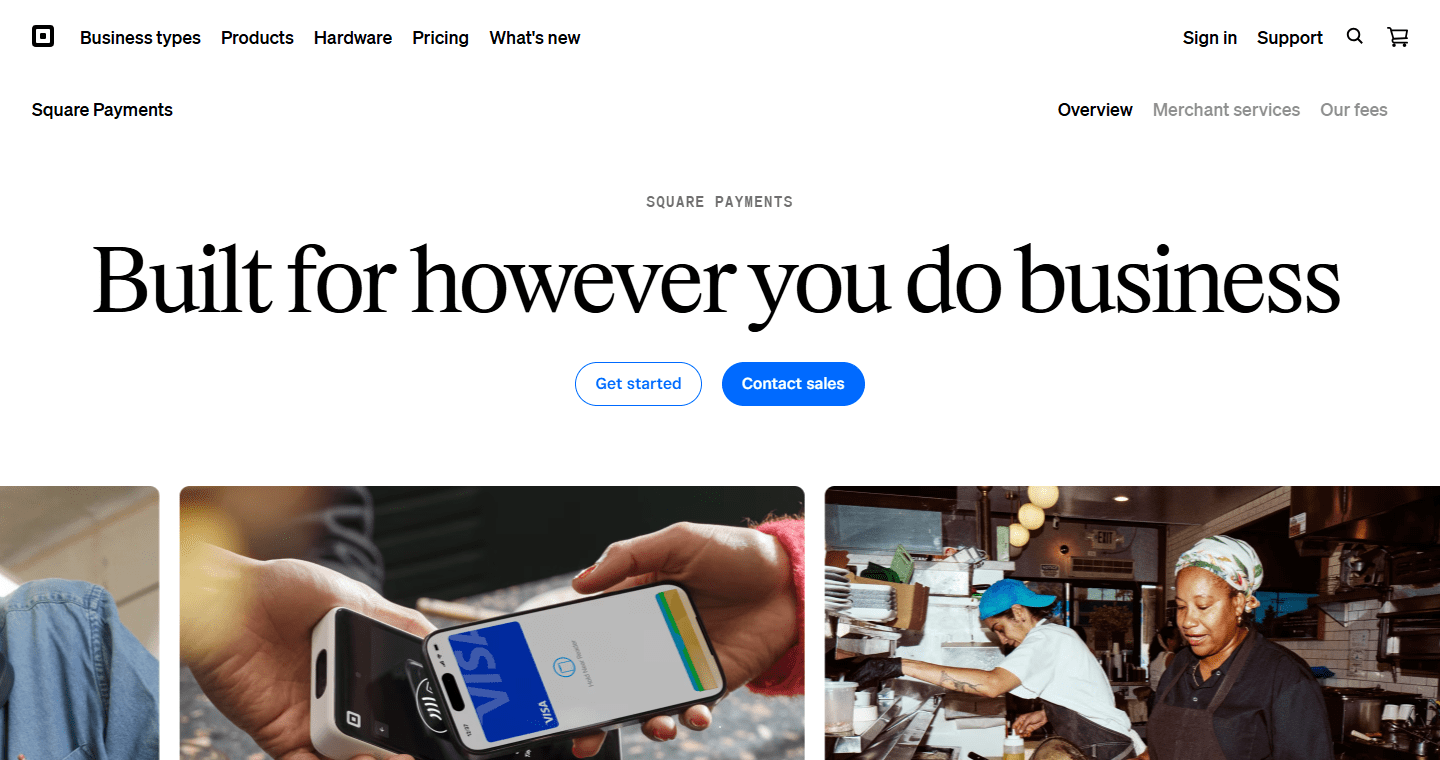
Best for: Retail, services and fast in-person setup.
| Pricing | Plan and channel dependent |
| Coverage | Online, in-person and POS |
| Strength | Integrated POS, hardware and straightforward onboarding |
| Note | Software plan and processing rate vary |
PayPal
Recognizable wallet checkout

Best for: Recognizable wallet checkout.
| Pricing | 3.49% + $0.49 PayPal Checkout (US) |
| Coverage | PayPal, Venmo, cards and wallets |
| Strength | Familiar buyer experience and broad checkout coverage |
| Note | Card processing starts at 2.89% + $0.29 (US) |
Helcim
Growing North American SMBs

Best for: Growing North American SMBs.
| Pricing | Interchange plus transparent margin |
| Coverage | Card, ACH, online and in-person |
| Strength | Transparent wholesale-style pricing and human support |
| Note | No monthly fee; automatic volume discounts |
Adyen
Large global and omnichannel enterprises
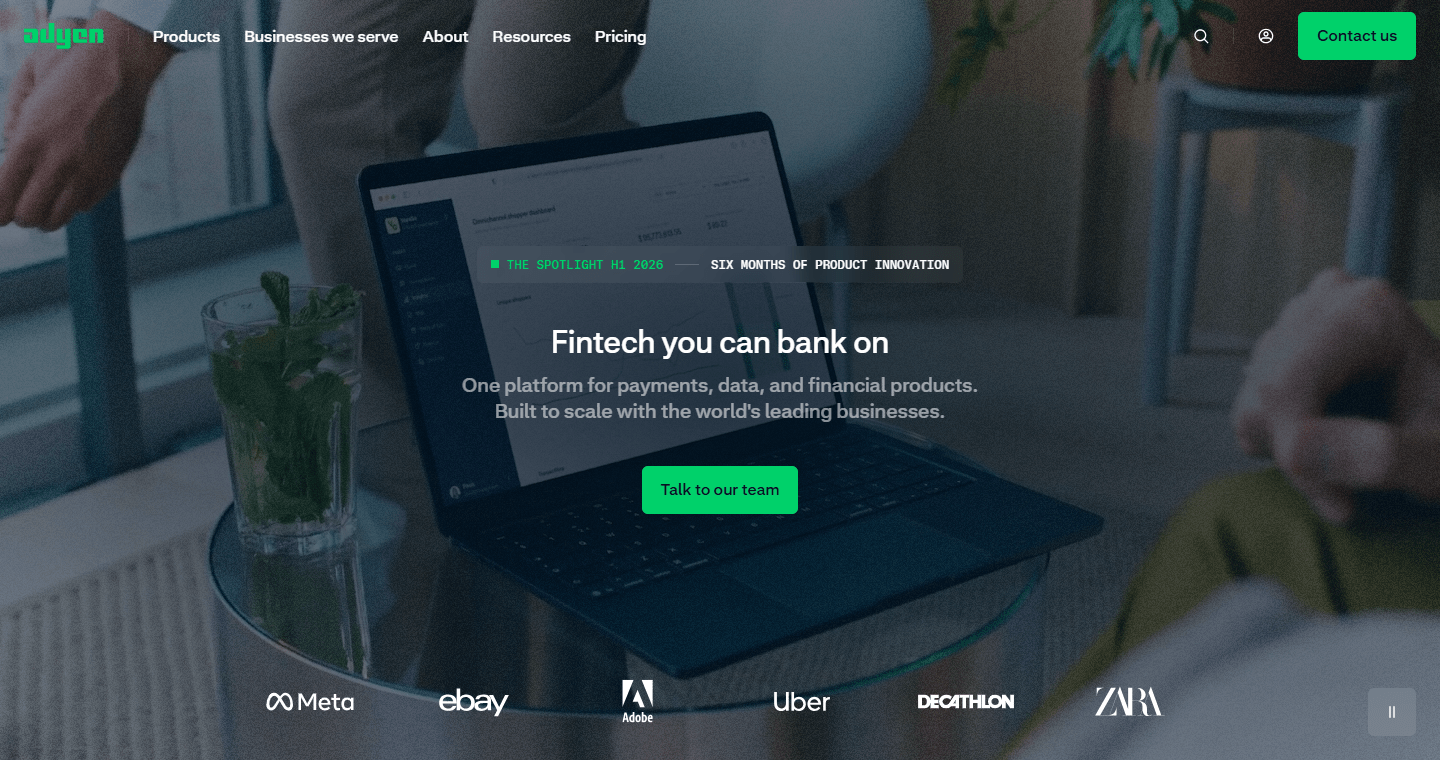
Best for: Large global and omnichannel enterprises.
| Pricing | $0.13 processing + payment-method fee |
| Coverage | Global online and in-person methods |
| Strength | Gateway, risk, processing and acquiring in one platform |
| Note | No setup or monthly fee; method fees vary |
How to choose the right payment processor
Start with what you sell and where you sell it. Digital-product businesses should compare merchant-of-record, subscription, tax, dispute and affiliate capabilities alongside the transaction rate. Retailers should prioritize hardware and POS. Developer-led teams need API depth, while global enterprises should model local acquiring, currencies, risk controls and payout operations.
Kurums Match: which processor fits your business?
Open the priority closest to your buying decision.
Small and medium businesses selling worldwide
Whop is the closest fit. Merchant-of-record tools, subscriptions, affiliates and global payouts.
Online businesses and developer-led teams
Stripe is the closest fit. Deep APIs, prebuilt checkout, subscriptions and fraud tools.
Retail, services and fast in-person setup
Square is the closest fit. Integrated POS, hardware and straightforward onboarding.
Recognizable wallet checkout
PayPal is the closest fit. Familiar buyer experience and broad checkout coverage.
Growing North American SMBs
Helcim is the closest fit. Transparent wholesale-style pricing and human support.
Large global and omnichannel enterprises
Adyen is the closest fit. Gateway, risk, processing and acquiring in one platform.
How did Kurums evaluate these processors?
We reviewed official pricing and product pages for transaction structure, supported channels, checkout model, payment-method reach and target customer. Rankings reflect editorial fit for the stated use cases.
No Kurums Recommends or Top Pick badge is awarded on this page; those verdicts require documented evidence and an independent second reviewer.
Frequently Asked Questions
Which payment processor is best in 2026?
Whop is the first option here for subscriptions, global checkout and payouts. Stripe fits developer-led online businesses, Square retail, PayPal familiar wallet checkout, Helcim growing North American SMBs, and Adyen large global enterprises.
How much does Whop charge?
Whop lists standard domestic card pricing of 2.7% + $0.30 per successful transaction, with no setup or monthly fee. International cards and currency conversion add fees.
Should I choose the lowest headline rate?
Not by itself. Model card mix, international volume, refunds, disputes, currency conversion, payout fees, software costs and the operational value of tax or merchant-of-record services.
Related Finance comparisons
Discover more from Kurums | Business Intelligence
Subscribe to get the latest posts sent to your email.
Trackbacks/Pingbacks