
Game backend, multiplayer and LiveOps platforms for online games
Game backend platforms run the online side of a game: player accounts, cloud saves, matchmaking, dedicated servers, in-game economies, events and the LiveOps tools that keep a live game fresh. Every company below is listed free by our editors, A–Z — no one pays for a position, and you can request a listing by email.
All game backend, multiplayer and LiveOps platforms
Editor-compiled · A to Z · request a listingAccelByte
US-based backend platform for cross-platform accounts, matchmaking, social, commerce and LiveOps.

Amazon GameLift
AWS service for dedicated game server hosting, fleet scaling, matchmaking and streaming.
Beamable
US-based LiveOps and backend platform for Unity and Unreal with content, commerce and events.
brainCloud
Canada-based backend-as-a-service for game authentication, economy, leaderboards and multiplayer.
coherence
Denmark-based multiplayer networking and cloud platform for Unity games with replication tools.
Edgegap
Canada-based edge orchestration for deploying multiplayer game servers close to players.
Epic Online Services
Free cross-platform accounts, friends, lobbies, voice and anti-cheat SDK from Epic Games.
Heroic Labs
UK-based maker of Nakama, an open-source game server for social, realtime and LiveOps features.
i3D.net
Netherlands-based game server hosting and global network provider, part of Ubisoft.
Metaplay
Finland-based backend and LiveOps SDK for building and running top-grossing mobile games.
Microsoft PlayFab
Microsoft's backend platform for game accounts, economy, LiveOps, multiplayer servers and analytics.
Photon Engine
Germany-based Exit Games' multiplayer networking SDKs and cloud for realtime and session games.
Pragma
US-based online game backend engine for accounts, social, matchmaking and LiveOps at scale.
Snapser
US-based modular backend snaps for auth, storage, economy, leaderboards and LiveOps.
Not on this list yet? Getting listed is free. Email [email protected] with your name, website and a one-line description and our editors will review it. How to get listed · Listing policy.
Before you shortlist, read Best Game Backend Services (2026) · Game monetization models explained — editorial guides from the Kurums Gaming Industry hub.
What does a game backend platform do?
A game backend is the set of online services a game relies on outside the player's device. It authenticates players, stores progress, runs leaderboards and friends lists, manages virtual currencies and stores, and connects players to each other through lobbies and matchmaking.
Multiplayer games add networking and servers. Some games use relay or peer-to-peer networking, while competitive games usually run dedicated servers that a hosting service scales up and down around the world. LiveOps tools sit on top, letting teams schedule events, run offers, change configuration without a client update and segment players.
This category covers backend-as-a-service platforms, open-source game servers, multiplayer networking SDKs and game server hosting. Analytics, attribution and ad monetization tools are listed in a separate gaming category.
Which type of backend fits your game?
Backend options range from fully managed services to self-hosted open-source servers. The right model depends on the genre, the number of concurrent players, your engineering team and how much control you need over data and infrastructure.
| Type | Typically fits | Watch out for |
|---|---|---|
| Managed backend-as-a-service | Studios wanting accounts, economy and LiveOps without running servers | Usage-based costs rise with player numbers |
| Open-source game server | Teams wanting control and self-hosting options | You own operations unless you buy a managed tier |
| Multiplayer networking SDK | Realtime and session-based games built in an engine | Networking alone does not cover accounts or economy |
| Dedicated server hosting | Competitive and large multiplayer games | Fleet management and regional capacity planning |
| Platform services | Cross-platform friends, lobbies and anti-cheat | Features tied to one company's ecosystem |
Many studios combine providers: a networking SDK in the client, a hosting service for servers and a backend platform for accounts and economy. Keep the number of vendors manageable, because every integration adds maintenance.
What should you compare before shortlisting?
Test each candidate with a vertical slice of your online features under realistic load. Backend problems tend to appear at launch, when players arrive faster than any test predicted.
| Criterion | Why it matters | What to ask |
|---|---|---|
| Feature coverage | Gaps mean building systems yourself | Accounts, saves, economy, matchmaking, social, events — what is included? |
| Engine integration | Saves weeks of client work | Are there maintained SDKs for your engine and platforms? |
| Scalability | Launch spikes can break weak backends | What load tests and reference titles can the vendor share? |
| Cross-platform support | Players expect progress across devices | How are platform accounts linked and merged? |
| Data ownership and export | You may need to switch later | Can you export all player data in a usable format? |
| LiveOps tooling | Live games need weekly changes | Can designers run events and offers without engineers? |
How are game backend services priced?
Backend platforms are typically priced by usage: monthly active users, API calls, storage, bandwidth or server hours. Many offer free tiers for development and small games, with paid tiers that add support, higher limits and enterprise features.
Dedicated server hosting is usually billed per server hour or per core, with prices varying by region and hardware. Open-source servers are free to run yourself, with paid managed hosting or support available from the vendor.
Estimate costs at several player levels — soft launch, global launch and a successful year — and include engineering time for integration and operations. A cheap service can become expensive if it forces your team to build missing features.
What mistakes should you avoid when choosing a backend?
The biggest mistake is choosing late. Backend decisions affect save formats, account systems and network code, so changing providers after launch is costly and risky for player data.
Studios also underestimate load. Test matchmaking, logins and purchases with simulated launch traffic, and confirm how the vendor supports you during a launch weekend.
Another common error is relying on one region. If your players are global, check server locations, latency and data-residency rules in the markets you plan to enter.
Finally, do not treat LiveOps as an afterthought. If designers cannot change events, prices and content without a client update, a live game will struggle to keep players engaged.
Frequently asked questions
What is the difference between a game backend and a game server?
A game backend handles persistent services such as accounts, saves, economy and leaderboards. A game server runs the live simulation of a multiplayer match. Many games use both, sometimes from different providers.
Do single-player games need a backend?
Not always, but many use one for cloud saves, achievements, analytics, events or in-game stores. Even a small backend can extend a single-player game's life.
Is it better to build or buy a game backend?
Most studios buy or use open-source services for standard features and build only what is unique to their game. Building everything in-house requires a dedicated online team.
What is LiveOps?
LiveOps is the practice of running a game as a live service after launch: scheduling events, updating content, running offers and adjusting balance based on player data.
How this directory is compiled
Every company on this page was added by our editors from publicly available information: the company name, what it does in one line, and a link to its own site. No company paid to be listed, none was asked for approval, and inclusion here is not a recommendation — it is a starting point for a shortlist you should verify yourself.
No position on this page can be bought: the list is always alphabetical and every entry is free. Advertising on kurums.com appears only in clearly labelled ad units, separate from the listings, and has no influence on our editorial guides or on the Kurums Trust badges, which are earned against published criteria and are never for sale.
Services, terms and availability change often in the games industry, so descriptions here are kept short and factual. Check each provider's own site before you decide, and treat any directory — including this one — as a list of candidates rather than an answer.
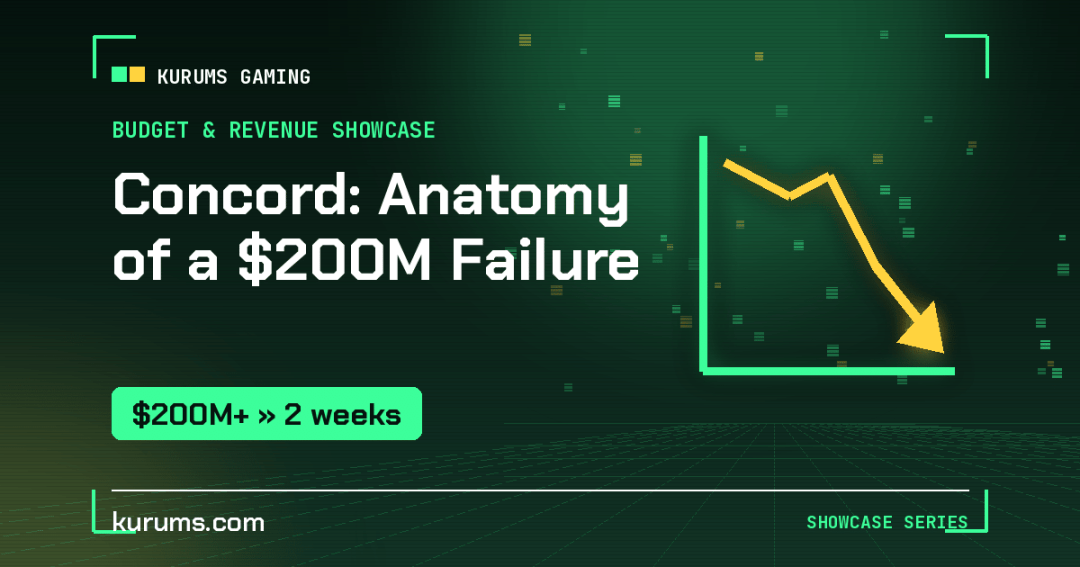
Concord’s Failure: A $200M+ Budget Case Study in What Not to Build
Concord launched on 23 August 2024 at $39.99, peaked at 697 concurrent players on Steam and was switched off two weeks later with full refunds. With a reported budget above $200 million, it is the clearest modern example of how a big budget can fail. What went wrong, what it cost and what studios should learn.
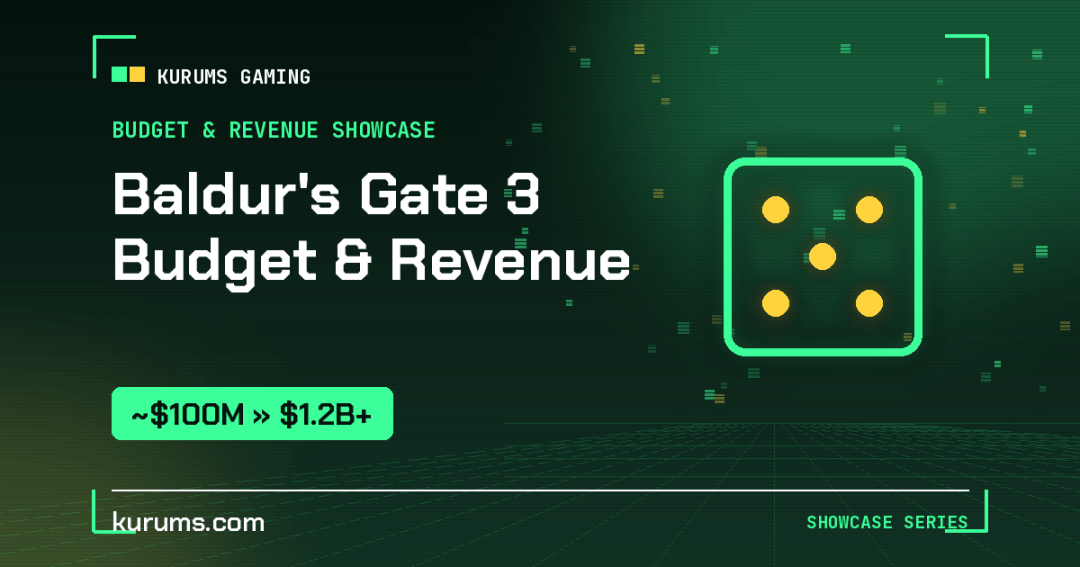
Baldur’s Gate 3 Budget and Revenue: How Larian Turned a ~$100M Bet Into a $1B+ Hit
Larian spent about six years and a reported $100 million on Baldur’s Gate 3, funding part of it through 2.5 million Early Access sales. After launch, the studio’s revenue jumped from €22.7 million to €427 million in a year, and analytics firms now estimate more than $1.2 billion in gross sales. A breakdown of the spend, the return and the strategy.
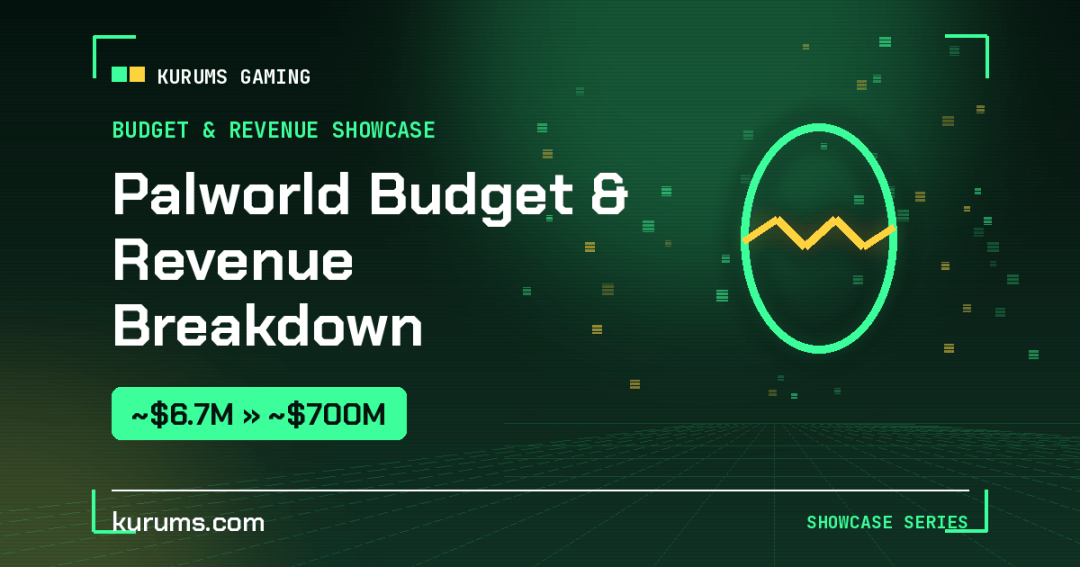
Palworld Budget and Revenue: How a $6.7M Early Access Game Reached 30 Million Sales
Pocketpair spent under ¥1 billion on Palworld. The creature-collecting survival game then sold 8 million copies on Steam in a week, reached 25 million players in a month and, by late 2026, an estimated 30 million copies and $700 million in gross sales. The numbers, the costs and the risks behind the biggest Early Access hit of the decade.