How to play Feedback Lab
Each round describes a situation and offers four responses. Tap the one that would help most and press Check. After every answer you get the principle behind it in one sentence.
A correct answer scores 10 XP and a perfect run adds 20 XP. A wrong answer costs one of your five hearts. The ten situations are drawn from a set of fourteen.
What good feedback has in common
- It is specific. It names one event: which meeting, which report, which sentence. “You always” and “you never” give the listener nothing to act on.
- It describes behaviour. What a person did can change. Labels such as careless or rude attack the person and invite an argument.
- It states the effect. The client found two errors. The team repeated its updates. The effect is the reason the feedback matters.
- It is timely and private. A day or two after the event, one to one. Praise can be public. Criticism should not be.
- It looks ahead. It ends with one agreed next step and a time to check in.
Situation, Behaviour, Impact
A simple pattern covers the first three points. Start with the situation: in Monday’s review. Add the behaviour: you shared the figures before checking them. Finish with the impact: the client found two errors. The sentence is hard to argue with because it contains only facts, and it leaves room for the other person to explain.
Common mistakes
The first mistake is waiting. Feedback saved for the annual review arrives too late to change anything and surprises the person who receives it. The second is hiding the message. A criticism wrapped between two compliments is easy to miss, and it teaches people to distrust praise. The third is giving feedback and not listening. The other person may know something you do not.
Praise needs the same care as criticism. “Good job” is pleasant and forgettable. Telling someone exactly what they did well, and what it achieved, makes it likely that they will do it again.
The HR guides on Kurums cover performance reviews, one-to-ones and difficult conversations. For a hiring game, try Hire or Pass.
HR guides
Best Pre-Employment Assessment Software in 2026: Skills Tests Compared
Six pre-employment assessment platforms compared on pricing, free plans and trials, test libraries, AI scoring and the hiring volumes they suit.
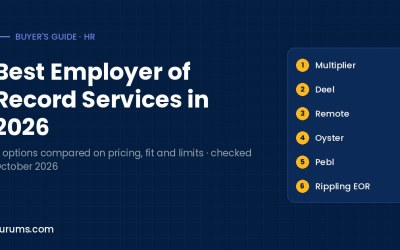
Best Employer of Record Services in 2026: Pricing and Coverage Compared
Six employer of record services compared on published per-employee fees, country coverage, entity ownership and billing terms, with notes on what to confirm before you sign.

Best Org Chart Software in 2026: Charting and Workforce Planning Compared
Six org chart platforms compared on published pricing, trials, HRIS data sync, scenario and headcount planning, and the company sizes they suit.