

How to play Audit Spotter
Read the document, find the line that does not add up or breaks the rules, tap it and press Check. The explanation shows the right figure and how to recalculate it.
A correct answer scores 10 XP and a perfect run adds 20 XP. A wrong answer costs one of your five hearts. Every document is generated fresh, so the numbers change each time you play.
Where errors hide
- Invoices. Re-multiply quantity by unit price, add the lines, then check that VAT is the stated rate of the subtotal and that the total adds up.
- Trial balances. Assets and expenses carry debit balances; liabilities, equity and income carry credits. If the columns do not agree, look for an account on the wrong side: the difference is twice its balance.
- Depreciation. Straight-line depreciation is cost minus residual value, divided by useful life. Forgetting the residual value is the classic slip.
- Expense claims. Check every line against the policy, not just the total: limits per item, receipts and items that are never reimbursed.
- Payroll. Net pay is gross pay minus every deduction. One wrong net figure means one employee is paid the wrong amount.
- Three-way match. Pay only what was ordered, at the price agreed on the purchase order, for the goods actually received.
Why one line matters
Small errors compound. A wrong subtotal changes the VAT, a misposted account hides a real imbalance and an overpaid invoice is cash that rarely comes back. Auditors test exactly these points because they are where mistakes and fraud usually sit.
The accounting guides explain each control in depth. Practise the basics with Debit or Credit? or browse the calculators in Kurums Tools.
Accounting guides
Q3 Bank Earnings Mixed on October 13, 2026: Notes for Accounting
JPMorgan missed Q3 estimates on October 13 while Goldman beat on equities trading; Wells and Citi were mixed. Accounting teams should update credit-loss and fair-value inputs with the latest bank commentary.

Best Revenue Recognition Software in 2026: ASC 606 Tools Compared
Six ASC 606 and IFRS 15 revenue recognition tools compared on published pricing, recognition logic, integrations and audit trails, from Stripe-native to enterprise subledgers.
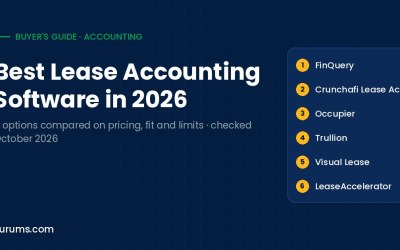
Best Lease Accounting Software in 2026: ASC 842 and IFRS 16 Compared
Six ASC 842, IFRS 16 and GASB 87 lease accounting tools compared on pricing model, free options, standards, ERP integration and audit controls.