
 Play
PlayGames / Procurement
Stock Keeper
You run the stockroom for twelve weeks. Each week you decide how many boxes to order, and orders take two weeks to arrive. Run out and you lose sales; order too much and storage eats your budget. A promotion is coming, so watch the forecast.
How to play Stock Keeper
The three costs of inventory
- Holding cost. Every box on the shelf ties up cash, space and insurance, and some stock goes out of date.
- Stock-out cost. A missed sale loses the margin and often the customer. For many businesses this is the most expensive of the three.
- Ordering cost. Every purchase order takes time to raise, approve, receive and pay. Ordering in tiny amounts every week multiplies that cost.
The reorder point
Where to learn more
Procurement guides
CIT Certifies IEEPA Tariff Refund Class, October 8, 2026: Notes for Procurement
On October 8, 2026, the Court of International Trade certified a class of importers seeking IEEPA tariff refunds. Certification is not a refund order.
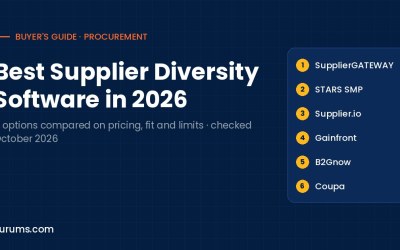
Best Supplier Diversity Software in 2026: Spend and Tier 2 Tools Compared
Six supplier diversity and small business spend platforms compared on pricing, certification data, Tier 2 reporting and fit, with a neutral note on the changing US policy context.
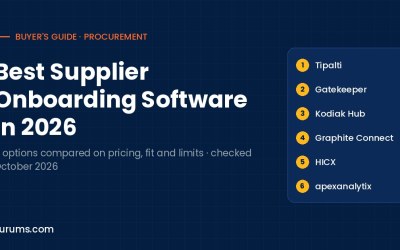
Best Supplier Onboarding Software in 2026: Portals and Validation Compared
Six supplier onboarding and supplier information management tools compared on pricing, portals, bank and tax validation and ERP sync, with prices checked in October 2026.