In 2013, Netflix stock surged from around $80 to over $300 in a matter of months. Investors who anticipated such a shift—but weren’t sure whether the outcome would be positive or negative—could have leveraged a strategy that turned chaos into profit.🌟 This move, known as a “straddle,” allows traders to bet on volatility itself, independent of market direction. Whether you’re an entrepreneur navigating uncertain growth cycles or a seasoned professional managing risk, understanding this concept could unlock opportunities you’ve overlooked.
🎯 The Mechanics of a Straddle Explained
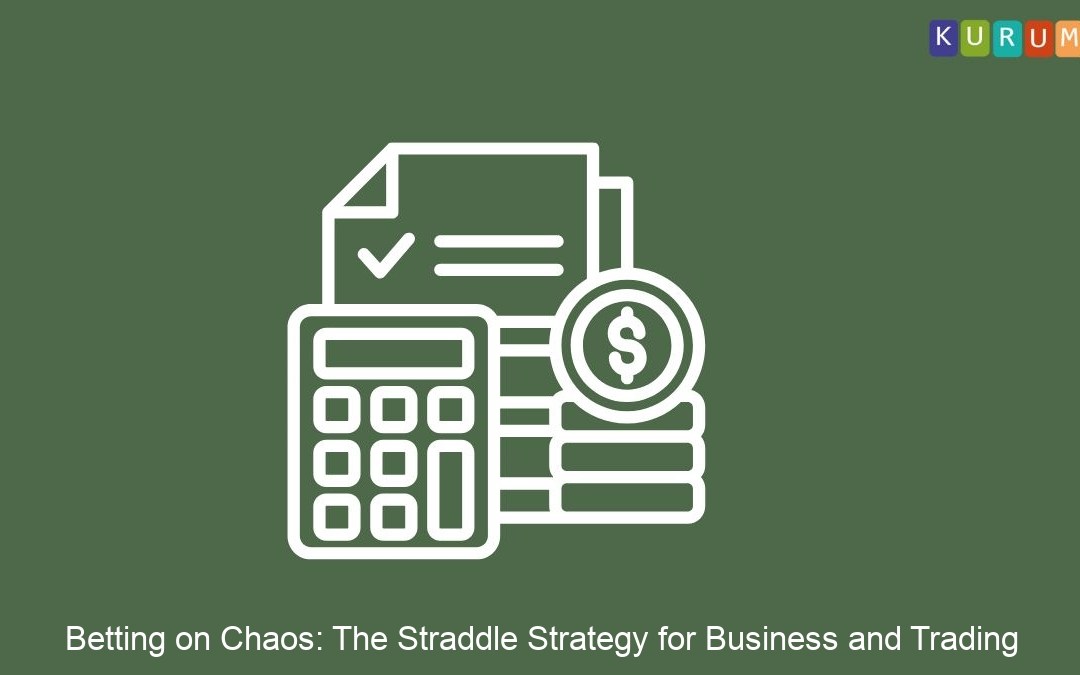
A straddle is a neutral, high-risk, high-reward options trading strategy that thrives on unpredictability. It involves buying a call and a put option with the same strike price and expiration date. If the market surges upward or plummets downward, one of the options usually leads to gains. But if prices stay flat, both options expire worthless, resulting in a total loss of the upfront premium paid.
Key metrics to watch:
– Breakeven Points: Calculated by adding the total premium paid to the strike price (upper breakeven) or subtracting it (lower breakeven).
– Volatility Expectations: Ideal for events like earnings reports, product launches, or regulatory decisions that could swing prices sharply.
– Time Decay Impact: Straddles lose value as expiration nears, so timing your entry and exit is critical.
This strategy isn’t about predicting direction; it’s about betting that something will happen. Just like Peter Lynch once said, “In this business, if you’re good, you’re right six times out of ten. You’re never going to be right nine times out of ten.” Volatility is the playing field—it’s your job to use it effectively.
🌍 Real-World Wins: How Companies Embraced the Straddle Mindset
Netflix’s 2013 Breakthrough
When Netflix unveiled its plan to expand globally, the market reaction was polarized. The stock’s upheaval created a straddle-friendly environment. Savvy investors who placed a call and put option profited regardless of the outcome.📈📈
Biotech Firm Pre-FDA Approval
Consider a hypothetical scenario: A biotech CEO faces an FDA decision on a critical drug. Independent of the result, they could benefit from volatility. If shares dive post-rejection or soar post-approval, a straddle ensures they’re covered—or hedging risks for shareholders. While this isn’t direct CEO advice, Roger M. Perlmutter, former president of Merck Research, emphasized, “The essence of experimentation is deciding what to react to.”
The Tesla Earnings Rollercoaster
Tesla’s quarterly earnings presentations often trigger double-digit price swings. In 2021, shares jumped and dropped significantly across multiple quarters. A straddle then would have capitalized on the position, proving the power of anticipation over prediction.⚡炣
💬 Wisdom from the Frontlines: What Experts Say About Embracing Uncertainty
“There are two types of companies—those that ride volatility and those that are buried by it.”
— Sensible in-the-know trader Alexandros Tsakos
Tsakos heads a trading company that regularly employs straddles ahead of mergers and acquisitions, citing that “events like lawsuits or regulatory decisions often move markets,” and the ability to stay neutral is a secret weapon.
“Bezos once told employees: ‘Disagree and commit’—to stay active in uncertainty.”
— Quotes from former Amazon insiders highlight a cultural maneuver akin to the straddle: not predicting market success, but ensuring readiness if it does.
“The world thrives on the unpredictable. Hedge funds take note; so should startups.”
— Nassim Taleb, author of The Black Swan, draws parallels between his volatility-embracing framework and straddle logic.
These insights are more than corporate mantras—they’re recipes for leveraging unpredictability. Whether as a trader buying options or a founder launching a startup, the straddle mindset primes you to stay invested even when outcomes are unclear.
🛠️ Practical Tips to Bring Straddle Thinking into Your Business
- View Volatility as an Asset, Not a Liability
Market swings are inevitable. In business, sudden changes in customer demand, competitive landscapes, or regulation call for similar thinking. Have plans for upsides and downsides. - Invest with Flexibility
Just like a straddle, structure decisions with escape routes. Avoid “all-in” moves without safeguards. Diversify resources so you can pivot—bonus points if volatility unlocks success. - Set Clear Trigger Points for Action
If a key market event (e.g., competitor news, supply chain disruption) destabilizes your status quo, determine thresholds that signal for growth or caution. -
Monitor Time Constraints Ruthlessly
Straddles fail when expected volatility takes too long. Match “live-or-die-by” action periods for decisions, resource allocation, or product iterations.
Applying these principles transforms risk into a calculated game—a lesson traders and business leaders could share in a workshop.
🧠 Dr. TL;DR: Quick Recap on Straddles
- ✅ Buy both put and call options with the same strike price and expiration.
- 🏀 Variant outcome strategy focused on price movement over direction.
- 💡 Volatility becomes your target—ideal for high-pressure events.
- ⚠️ Losses occur when time runs out without substantial price swings.
- 🎯 Pay attention to breaking news influencing swings—faucets for results.
📝 Strong Takeaways for Strategic Betters
- 🔁 Straddles eliminate directional risk but lean heavily on volatility timing.
- 🔧 Practical strategies exist to retrofit the straddle concept into business models.
- 🕒 The power of a straddle peaks shortly before major inflection points.
- 💵 Profit potential grows as volatility amplifies—either extreme has value.
- 🧮 Losses hit if odds of a big move fade after purchase.
❓ FAQ: Common Questions About Straddle Execution
1. When does a straddle make the most sense?
Immediately before high-impact events like earnings announcements, healthcare approvals, or court rulings—where asset prices could swing sharply.
2. Who benefits most from this strategy?
Risk-tolerant traders and companies strategically hedging sensitive economic moments. Beginners should tread cautiously.
3. Why does a straddle lose money in stagnant markets?
Premium decay accelerates as expiration nears. If the asset doesn’t move fast enough, both options lose value simultaneously.
4. Can I sell my straddle before expiration?
Yes! You’ll want to capture any sharp early swings or mitigate risks pre-deadline instead of waiting on doubtful outcomes.
5. Is a straddle always neutral?
Initially. But depending on rapid movement, filters might change positioning—primarily to reduce exposure or secure early gains.
By now, you see a pattern emerge: straddles mirror the ambiguity of doing business in the modern world. Whether orchestrating options on a trading desk or guiding a startup through uncharted terrain, your ability to hedge and profit from uncertainty separates promising strategies from spectacular ones. Remember Tiger Woods’s “hazards are part of the course.” 🏌️♂️ So, if you’re ready to take up the gauntlet of modern volatility, grow comfortable betting when all else seems murky.
And for those still wary, ask yourself: Are you fearing the storm, or actively planning your sail through it?
Discover more from Kurums | Business Intelligence
Subscribe to get the latest posts sent to your email.